


Rich, deeply saturated leather tones-jet black, espresso brown, deep oxblood, and forest green-remain core staples across autumn and winter footwear collections. However, in international retail e-commerce and department stores, unexpected dye transfer from dark uppers or linings onto white socks and bare skin is one of the most frequent triggers for 1-star reviews, customer chargebacks, and warehouse audit rejections.
The fundamental engineering dilemma in premium shoemaking lies in balancing hand feel against chemical dye fixation. Unsealed full-aniline leathers and natural suedes offer exceptional breathability and buttery touch, but unbonded dye molecules easily migrate under friction, heat, and moisture. Heavy polyurethane coatings prevent color transfer completely but destroy luxury breathability. During initial prototype development (learn more about our full prototyping stages in our guide on how to develop women's footwear samples), footwear brands must establish clear colorfastness tolerances and interior lining separation rules before bulk cutting begins.
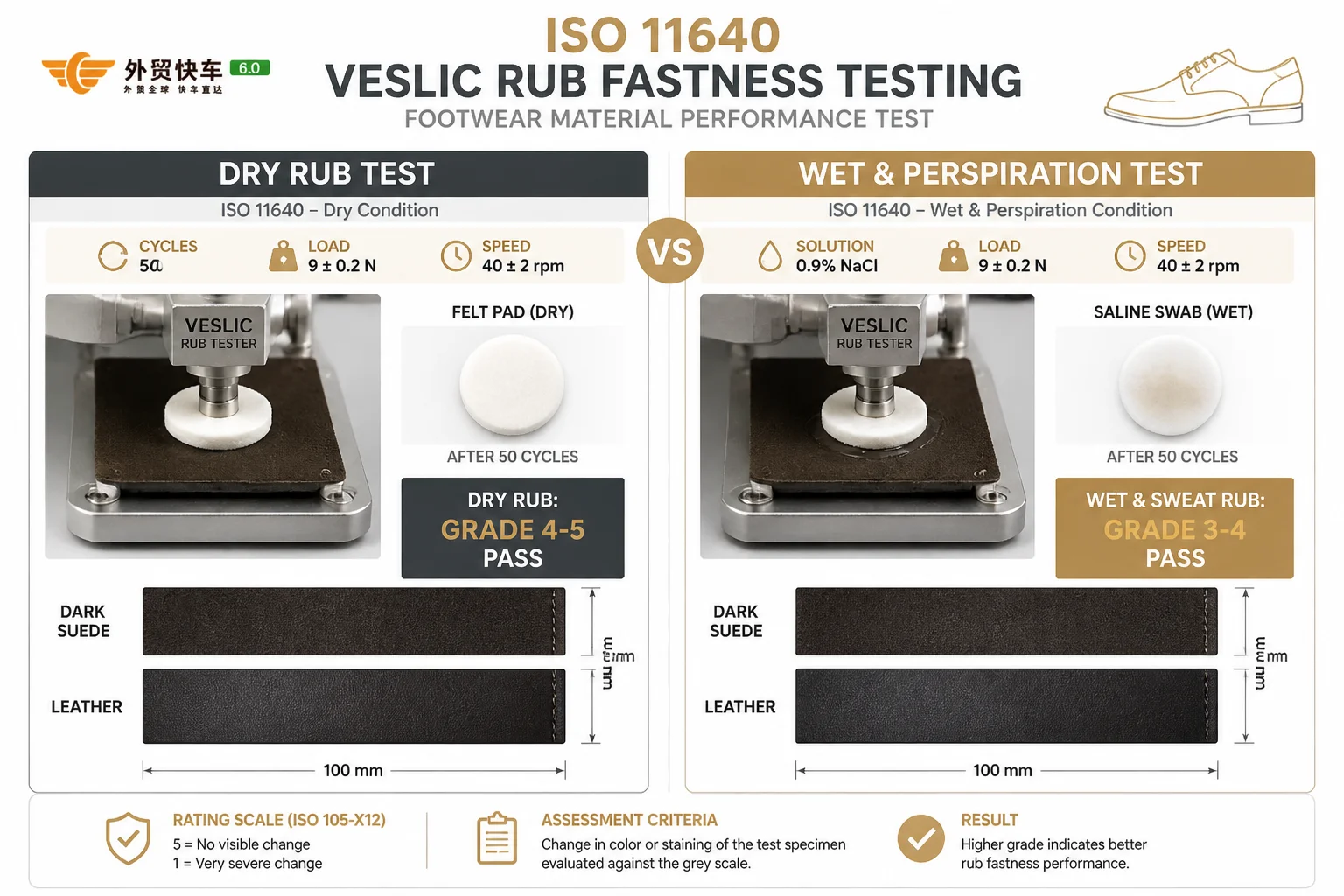
Figure 1: Standardized ISO 11640 Veslic rub testing benchmarks for dry, wet, and perspiration dye fastness.
1. Technical Fastness Standards: Dry, Wet & Perspiration Benchmarks
In commercial footwear quality control, visual dye inspection is never sufficient. Export-grade dark leathers and suedes must be benchmarked against standardized mechanical friction protocols, specifically ISO 11640 (or ASTM D5053) using Veslic rub testing apparatus:
| Test Parameter | Cycle Benchmark | Target Fastness Rating | Simulated Real-World Condition |
|---|---|---|---|
| Dry Rub Fastness | 50 Cycles (Dry Wool Felt) | Grey Scale ≥ Grade 4–5 | Normal walking with dry white dress socks |
| Wet Rub Fastness | 20 Cycles (Damp Wool Felt) | Grey Scale ≥ Grade 3–4 | Rain exposure, puddle splash, humid climate |
| Alkaline Perspiration | 20 Cycles (pH 8.0 Saline Solution) | Grey Scale ≥ Grade 3–4 | Summer barefoot wear & foot sweat friction |
Foot perspiration is naturally alkaline (pH 7.5–8.0). Dye molecules that remain chemically inert under dry friction often detach when exposed to salt ions and moisture enzymes. Performing perspiration immersion testing during sample development ensures that dark summer loafers and mules do not discolour the wearer's heels.
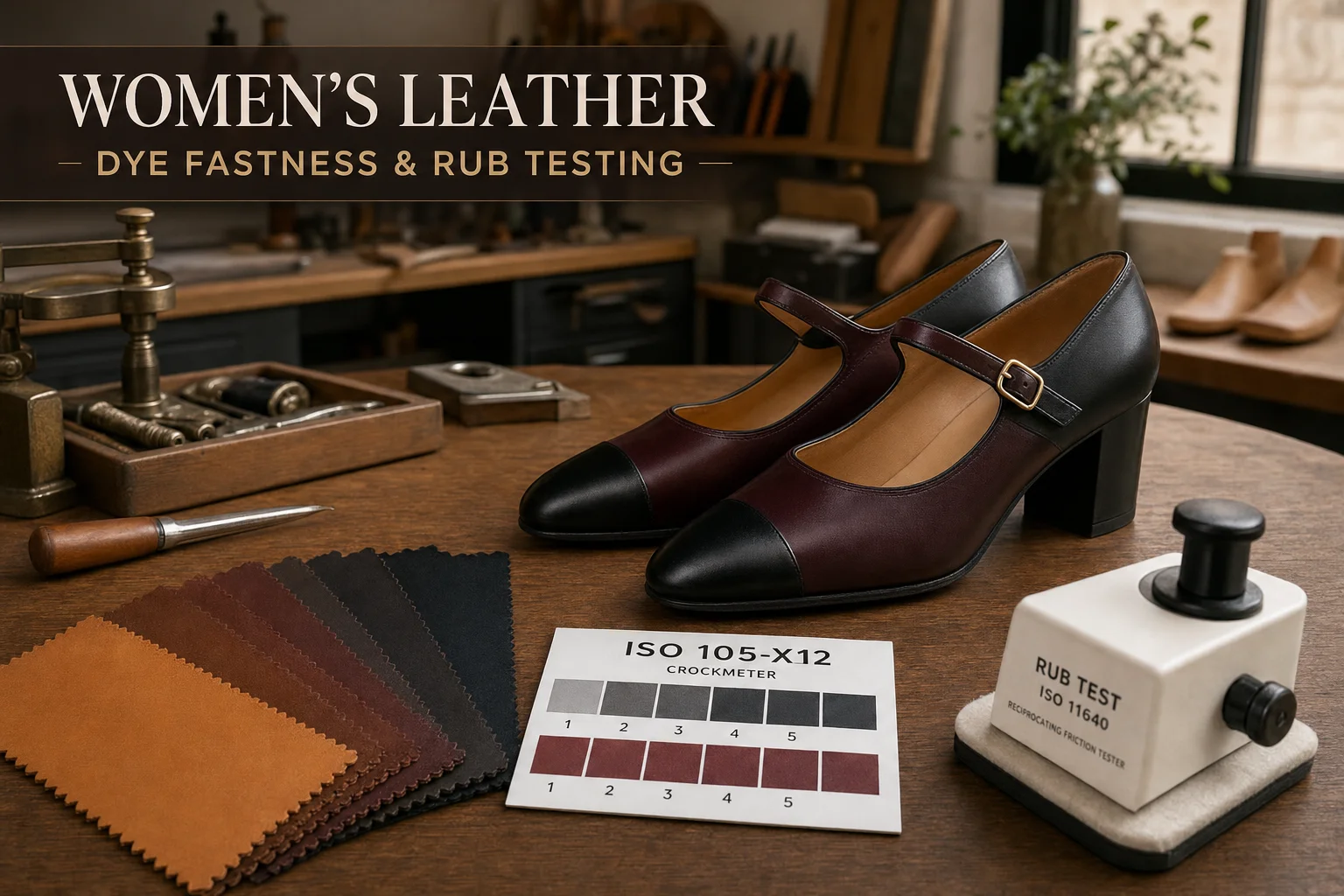
Figure 2: Interior pattern construction separating dark exterior suede from high-friction natural pigskin counter linings.
2. Lining Engineering: Never Run Dark Upper Leathers Full-Interior
The Golden Lining Rule: Never extend dark exterior suede or dark-dyed aniline calfskin into the interior counter pocket or insole topcover contact zones.
The most reliable defense against dye transfer claims is architectural pattern separation inside the upper:
- Natural Tan / Pale Pigskin Counter Linings: The heel counter and rear collar absorb over 70% of walking shear force. Using un-dyed, natural vegetable-tanned pigskin or pale cream kidskin in the heel pocket eliminates the vast majority of sock-staining returns.
- Colorfast Microfiber Suede for Heel Grip: When a pump or mule requires a non-slip suede collar insert to prevent heel slippage, specify cationic fixative-treated microfiber suede rather than raw dyed cow split suede.
- Breathable Polymer Fixative Topcoats: For unlined summer loafers where the reverse side of the dark upper touches bare feet, require the tannery to apply a specialized water-based polyurethane micro-sealer that locks residual dye pigments without sealing natural pores.
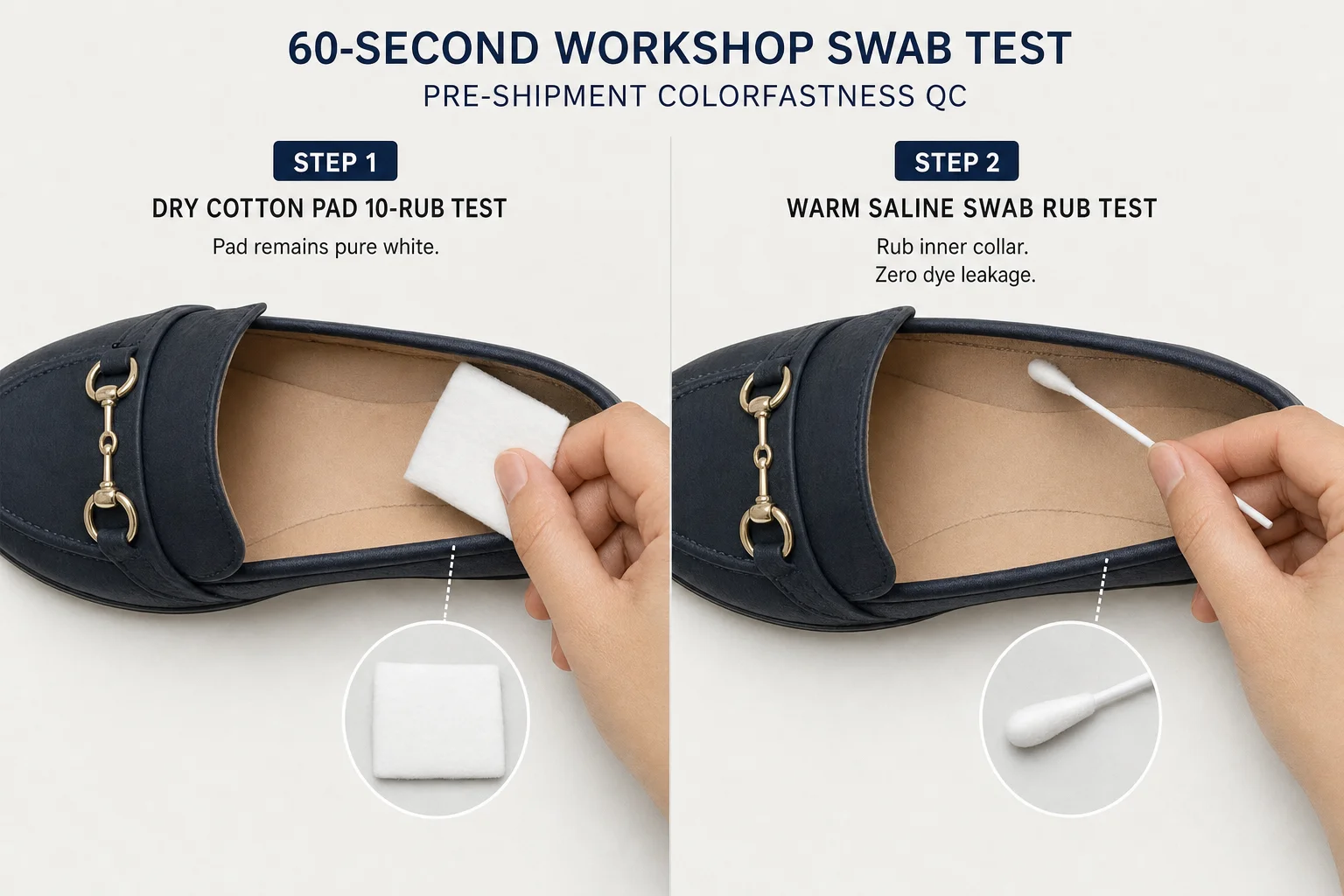
Figure 3: A rapid 60-second workshop cotton swab procedure to evaluate dry and saline rub fastness before sample sign-off.
3. Practical Pre-Shipment Swab Protocol for Footwear Buyers
Before approving production dye lots or clearing prototype batches for commercial tooling, footwear buyers can execute this rapid 60-second workshop evaluation:
- The Dry Felt Rub: Take a clean white cotton cosmetic pad and rub the interior lining firmly 10 times with firm thumb pressure. The pad must remain pure white.
- The Warm Saline Swab: Dampen a white cotton swab in warm, lightly salted water (simulating human sweat). Rub along the interior collar, heel grip, and insole topcover 10 times.
- Evaluation Criteria: If the cotton swab shows visible dark dye transfer rather than a faint, barely perceptible shadow, the batch requires immediate fixative re-treatment before assembly.
4. Buyer's Colorfastness QC Sign-Off Checklist
- ✓ Accredited Lab Test Certificate: Dark leather and suede lots verified to ISO 11640 (Dry ≥ Grade 4, Wet ≥ Grade 3).
- ✓ Lining Color Separation: High-friction heel counters built with natural un-dyed pigskin or pale lining.
- ✓ 10-Rub Saline Swab Pass: Interior contact surfaces show zero dark staining on wet cotton swab test.
- ✓ Crocking Resistance on Welt: Dark upper leather does not bleed onto white sole stitching or light welts during lasting.
- ✓ Container Heat Stability: Sample swatches maintain dye stability after 24-hour heat chamber aging at 40°C.
Develop Colorfast Leather & Suede Footwear With Us
Engineering deep, luxurious dark footwear that meets strict international rub fastness standards requires vetted tannery partnerships and disciplined lining construction. Send us your design concepts, target shades, or tech pack for certified sample development.
Request Material Swatches & Sample Development


