


In women's footwear development, over 80% of costly sampling revisions do not happen because of poor stitching-they happen because of mismatched expectations on paper before the upper leather is even cut. Physical sampling is where you verify last balance, pattern curvature, material drape, and walking comfort before committing capital to bulk production.
Why Structured Prototyping Protects Your Brand Margin
For private-label brands and footwear buyers, vague technical handoffs lead to multiple rounds of revised prototypes, delayed selling seasons, and wasted express courier fees. A disciplined sampling workflow establishes clear technical benchmarks from day one:
- Eliminate Sizing Discrepancies: Calibrates physical last volume to real foot anatomy rather than nominal regional sizing charts.
- Exact Color Alignment: Locks shade references via universal Pantone standards before leather cutting.
- Accelerate Development Cycles: Reduces prototype iterations from 3–4 rounds down to a single confirmed golden sample.
1. Preparing a Factory-Ready Tech Pack and Color Specs
Clear technical communication eliminates guesswork before the pattern master cuts the first piece of upper leather.
- Multi-Angle Line Drawings: Provide clean side, top, front, and rear perspective sketches showing stitching lines, collar cuts, and topline curvature.
- Exact Pantone Color Matching (TPG / TPX): Always specify upper leathers, linings, and edge-finish colors using standard Pantone TPG (Textile Paper Green) or Pantone TPX (Textile Paper Extended) color codes. This ensures exact shade alignment across tanneries and material suppliers, avoiding subjective color disputes.
- Target Heel Height and Bottom Style: Specify the intended heel height (e.g., 45 mm block heel, 75 mm stiletto) and bottom profile (flat resin rubber, lugged sole, or wrapped wedge).
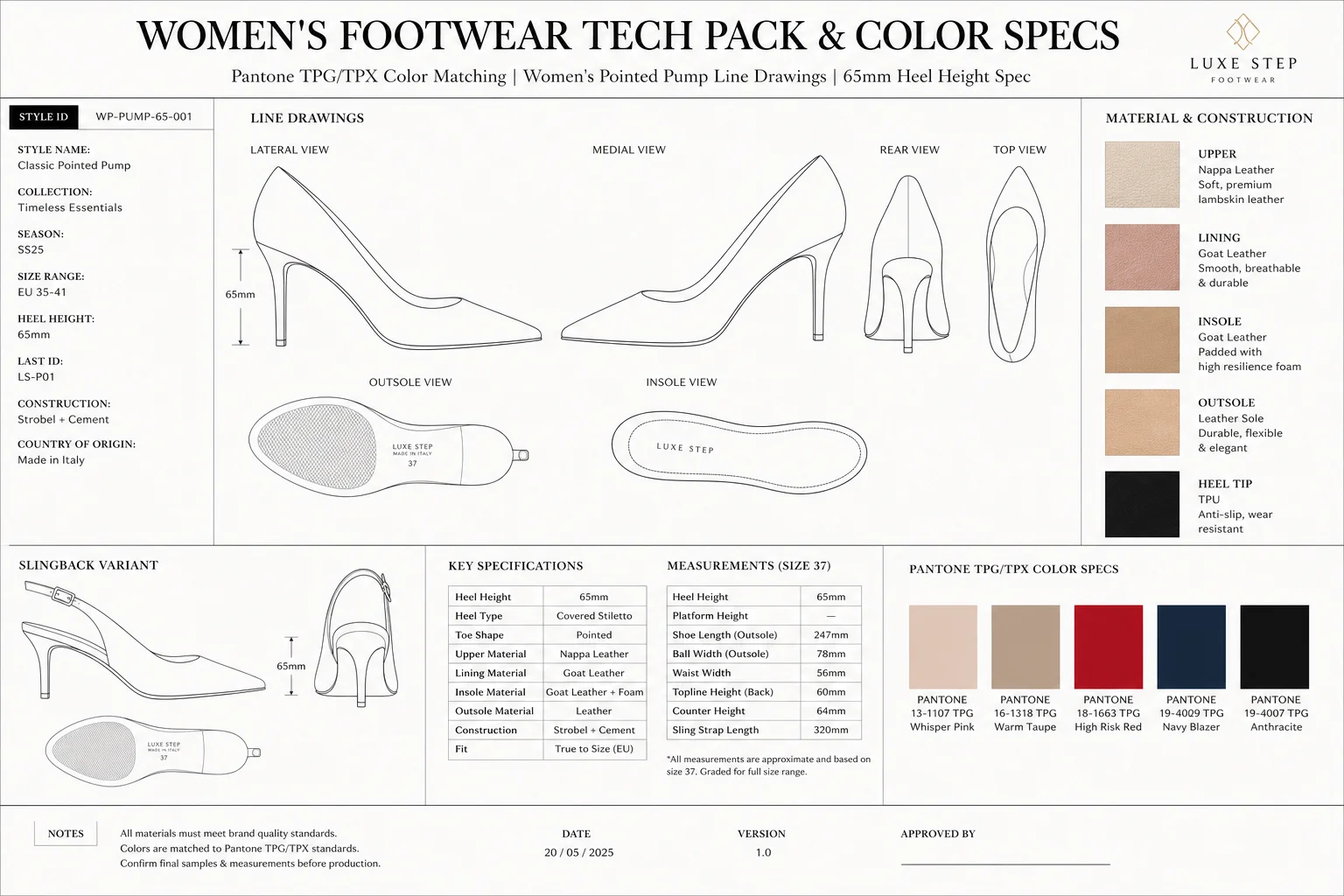
Figure 1: Standardized women's footwear tech packs with exact Pantone TPG/TPX color codes eliminate material shade discrepancies.
2. Last Selection and Foot Length Calibration
The shoe last determines how well the final silhouette accommodates the human foot. Sizing conversion charts alone often cause fit discrepancies because European, American, and British last-length standards differ significantly across factories.
- Standing vs. Sitting Measurement: When measuring foot length, always ensure the wearer stands firmly on paper under full body weight. Sitting versus standing can cause a 3–5 mm difference due to arch splay-enough to push a shoe from EU 37 into EU 38.
- Stock Last Optimization vs. Custom Molds: For fast turnaround and cost control, experienced factories adjust proven stock lasts from their library to match your target toe shape (pointed, almond, square, or round).
- Instep and Ball Girth Verification: Verifying ball girth and instep height during initial last review prevents tight forefoot pressure or loose instep gaping.
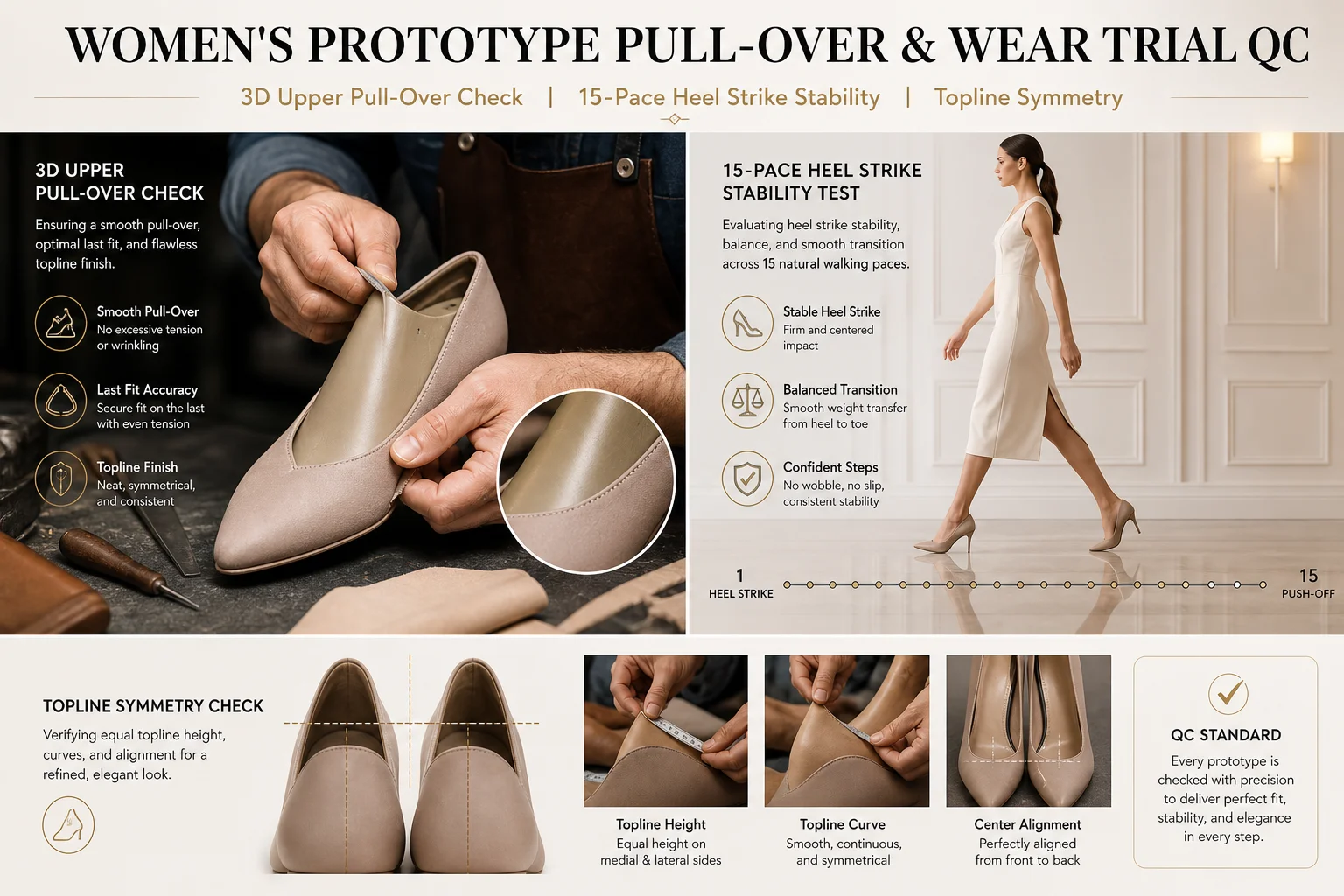
Figure 2: Calibrating last dimensions directly against millimeter foot length eliminates regional sizing conversion errors.
3. The Pull-Over Stage & Dynamic Walking Trials
Before proceeding to permanent sole bonding, high-end footwear prototyping follows a two-stage structural validation:
- The Pull-Over Review: Never cut expensive custom-dyed calfskin or satin for the first pull-over. We draft the initial upper using trial leather or split crust to verify 3D proportion, saving hundreds of dollars if the collar curve needs a 3 mm adjustment.
- 15-Pace Stride Wear Trial: Once fully assembled, a fit model conducts a 15-pace walking test on hard flooring to evaluate heel retention, arch support, and dynamic stride comfort.
- Heel Pitch & Balance Alignment: For pumps over 65 mm, test if the fit model feels back-heavy. If the heel pitch is tilted backward by just 2 degrees, the wearer will feel like falling backward, causing immediate heel drag.
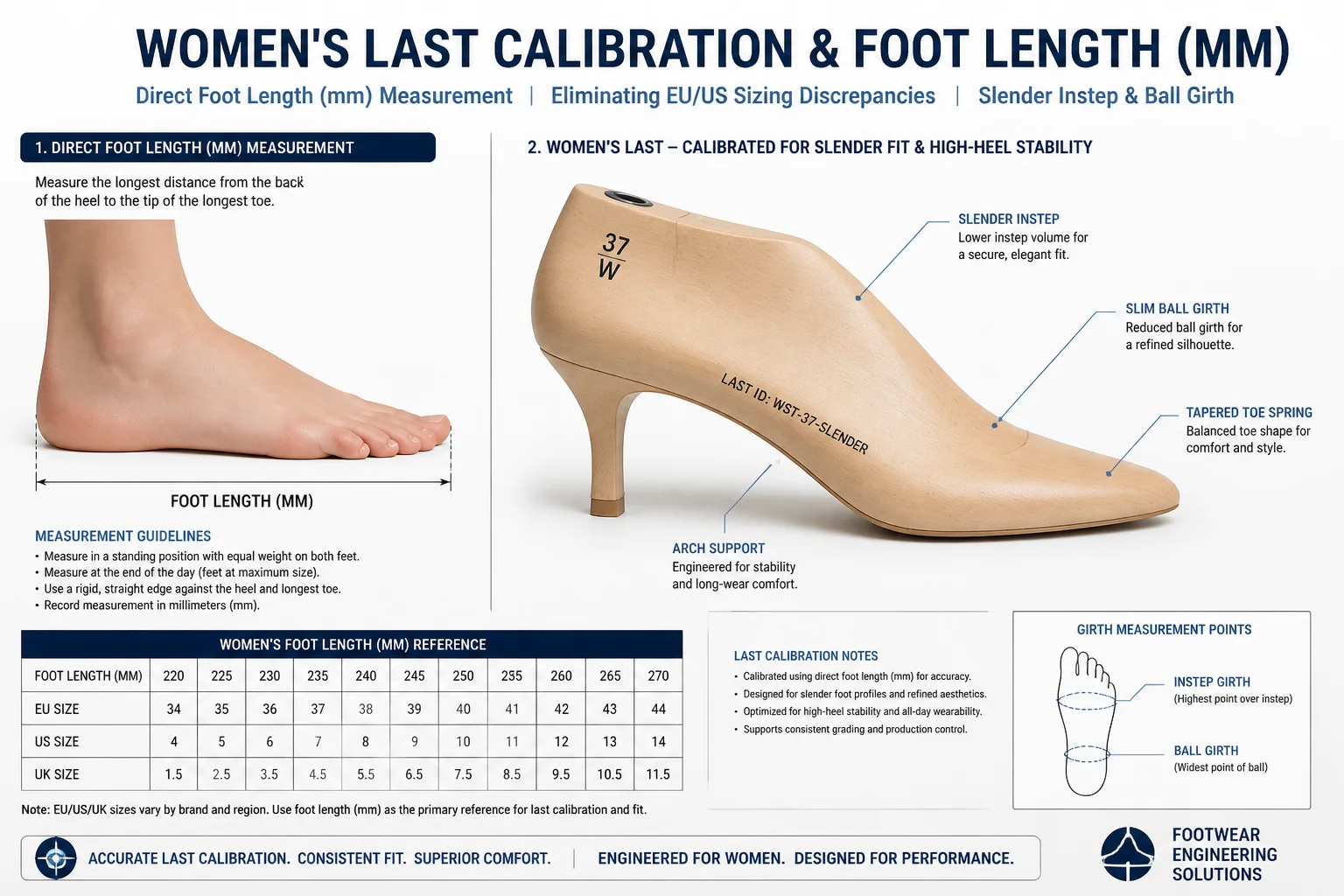
Figure 3: Dynamic 15-pace stride trials verify heel strike stability, topline symmetry, and collar comfort under real walking movement.
4. Footwear Buyer's Prototype Approval Checklist
Before signing off on pre-production samples and grading for bulk sizes (EU 36–41 / US 5–11), verify these key checkpoints:
- ☑ Foot Length & Cavity Match: Does the internal insole length correspond accurately to the target foot length specification in millimeters?
- ☑ Pantone Shade Consistency: Do the upper leathers and lining match the specified Pantone TPG/TPX color swatches under natural daylight?
- ☑ Left/Right Symmetry: Are the toe caps, throat opening lines, and rear collar heights identical between the left and right shoes (tolerance ≤ 1.0 mm)?
- ☑ Edge Finishing & Cleanliness: Are the welt lines, sole edges, and upper stitching neat, secure, and free of adhesive marks?
- ☑ Walking Stability: Does the heel strike securely without lateral twisting, collar chafing, or heel slippage?
Partner With Us for Custom Footwear Sampling
Even if you only have hand-drawn sketches or reference photos, send them over along with your target foot length (mm) and heel height. Our technical development team will review last feasibility, suggest optimal materials, and outline a realistic sampling timeline within 24 hours.


