


Primary Keyword: custom mary jane shoes manufacturing
Secondary Keywords: mary jane strap placement engineering | comfortable mary jane flats development | mary jane heel slippage prevention | mary jane size grading specs
Mary Jane flats and block heels remain a high-volume staple across contemporary women's footwear lines. Their vintage aesthetic and cross-strap closure offer timeless commercial appeal, yet low-cut Mary Jane silhouettes frequently generate customer returns due to poor strap positioning and unexpected heel slipping.
Why Classic Mary Janes Fail in Retail Fit Tests
A common misconception in pattern drafting is assuming that the instep strap alone will hold the entire shoe onto the foot. When strap geometry is miscalculated, wearers experience three immediate fit failures:
- Instep Tendon Pinching: The strap is anchored too far forward over the flex zone, cutting painfully into dorsal tendons during forward walking strides.
- Heel Pop-Out and Friction Blisters: The strap holds the midfoot, but an overly wide heel cup allows the rear foot to slide upward with each step.
- Buckle Pressure Points: Rigid metal hardware presses directly against the lateral foot bone without sufficient elastic tolerance.
1. Instep Strap Positioning and Throat Geometry
The longitudinal placement of the strap relative to the metatarsal cone dictates walking comfort. Finding the precise anchor point prevents both walking restriction and shoe instability.
- Strap Too Far Forward (Over the Ball): Restricts natural 45° forefoot flexion, creating severe creasing and biting into the foot during push-off.
- Strap Too Far Rearward (Near the Ankle): Interferes with the anterior ankle crease and lateral malleolus bone, causing chafing.
- Curved Anatomical Strap Contour: Draft the strap with a 3°–5° forward arch curve rather than a flat straight strip, matching the organic contour of the dorsal instep.
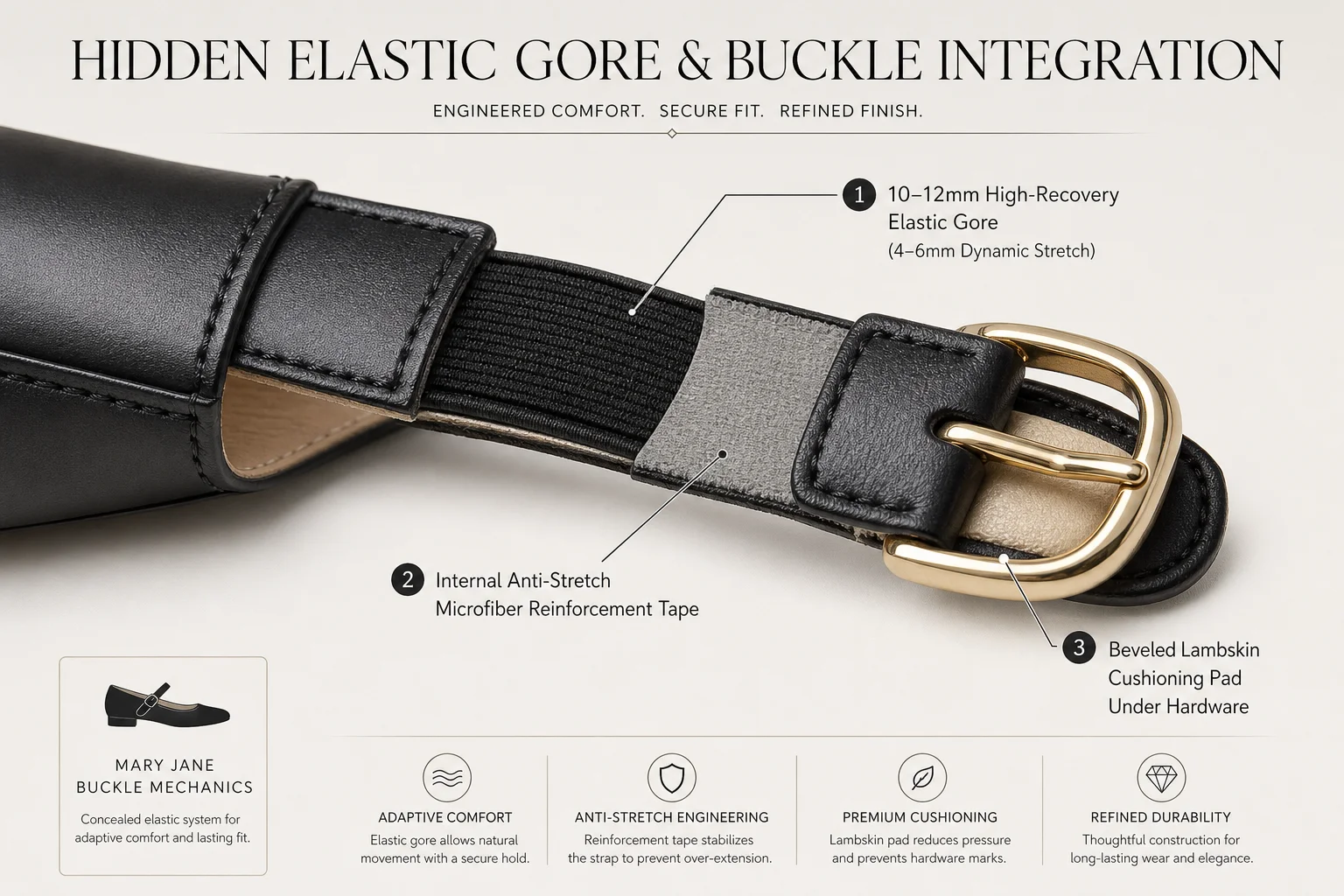
Figure 1: Placing the strap 10–12 mm behind the first metatarsal line ensures natural forefoot flexion without dorsal tendon pinching.
2. Hidden Elastic Gore and Hardware Integration
A completely rigid leather strap cannot accommodate the dynamic volume expansion of the foot during all-day walking. High-end Mary Jane patterns integrate hidden elastic mechanics:
- Hidden Elastic Gore Under Buckle: Anchor a 10–12 mm high-recovery elastic band beneath the buckle attachment prong. This provides 4–6 mm of dynamic stretch without compromising vintage aesthetics.
- Internal Anti-Stretch Reinforcement Tape: Sandwich a thin non-stretch microfiber tape inside the leather strap lining to prevent eyelet hole elongation under tension.
- Beveled Buckle Backing Pad: Place a soft lambskin teardrop cushion behind the metal prong to eliminate direct hardware-to-skin pressure.
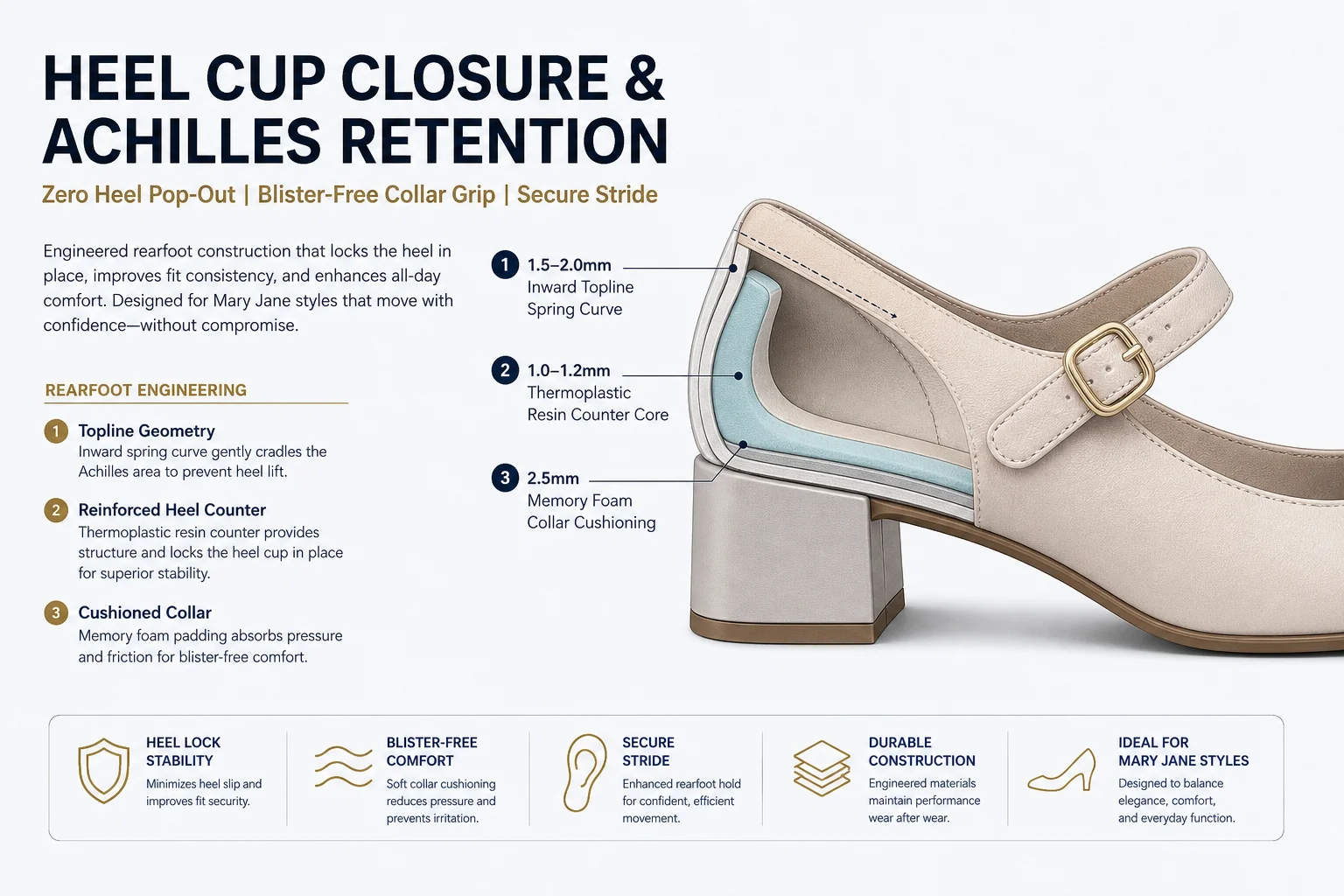
Figure 2: Hidden elastic gore beneath the buckle provides 4–6mm of dynamic stride stretch while internal tape stops eyelet tearing.
3. Heel Cup Closure and Counter Reinforcement
Even with a secure instep strap, a Mary Jane requires balanced rearfoot grip to prevent heel lifting during stride:
| Engineering Area | Standard Material & Dimension Spec | Target Fit Benefit |
|---|---|---|
| Heel Topline Grip | 1.5–2.0 mm inward collar curve (topline spring) | Hugs the Achilles tendon securely |
| Heel Counter Core | 1.0–1.2 mm thermoplastic resin counter | Prevents sidewall blowout & distortion |
| Collar Foam Padding | 2.5 mm high-density memory foam strip | Cushions the collar edge against blistering |
| Insole Rear Seat | 2.0 mm anatomical heel cup depression | Centers the calcaneus bone automatically |
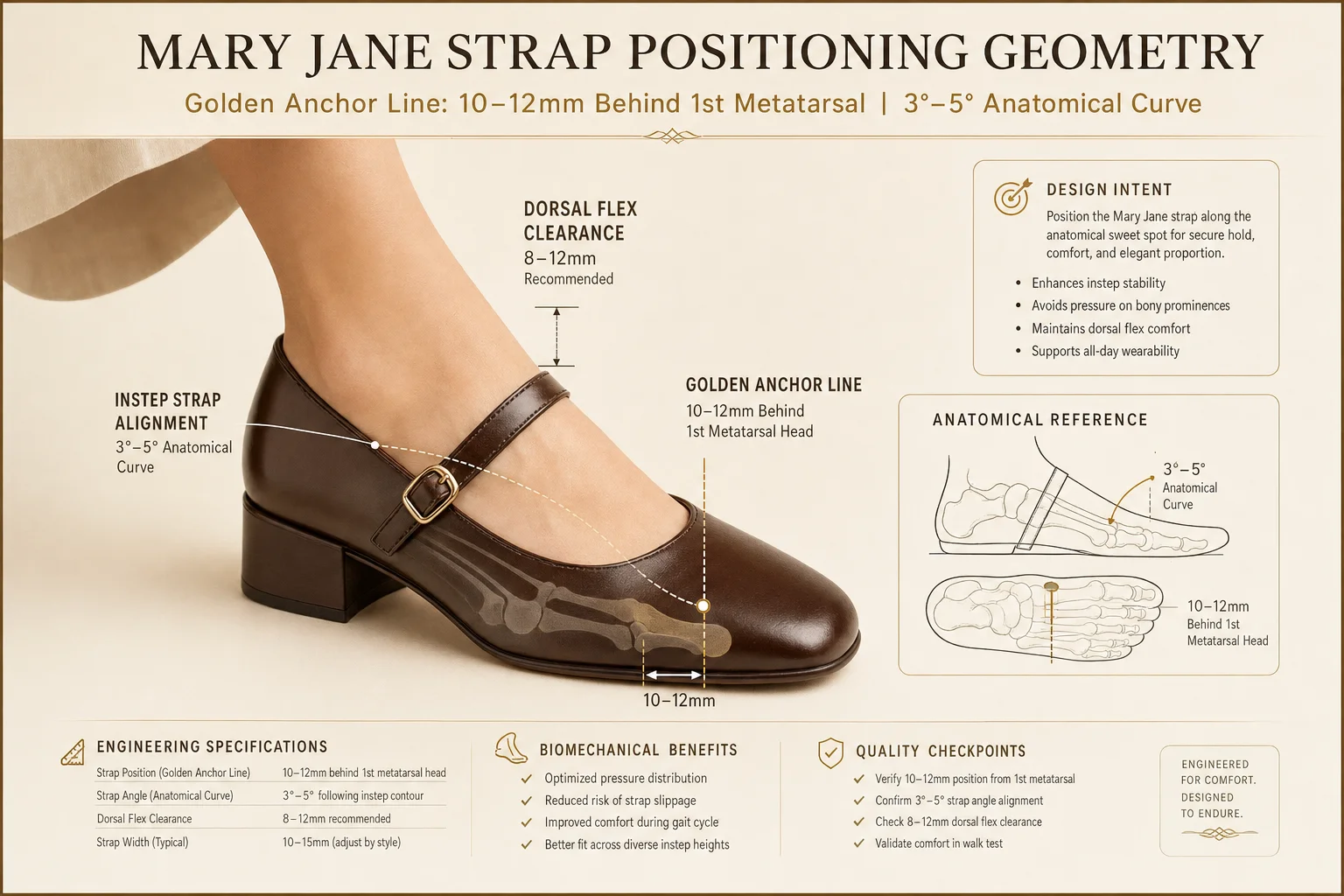
Figure 3: 1.5–2.0mm inward topline spring combined with a thermoplastic heel counter prevents heel lift and blistering.
4. Footwear Buyer's Mary Jane Prototype Checklist
Before approving Mary Jane physical samples for production size grading, evaluate prototypes against these quality criteria:
- ☑ Stride Retention: Does the wearer's heel remain firmly seated within the heel cup during 15 normal walking paces with the strap fastened?
- ☑ Flex Clearance: Does the strap remain comfortable during full 45° ball bend without pinching or cutting into dorsal skin?
- ☑ Grading Proportions: Does the factory scale strap length and eyelet spacing proportionally across small (EU 36) and large (EU 41) sizes?
- ☑ Gore Fatigue: Does the hidden elastic gore snap back instantly to its original length after 50 manual stretch cycles?
- ☑ Hardware Salt-Spray Test: Does the metal buckle pass a 24-hour anti-tarnish and corrosion resistance standard?
Partner With Us for Custom Mary Jane Manufacturing
Developing refined Mary Jane flats and heels that harmonize vintage elegance with blister-free fit requires precise last sculpting, correct strap curvature, and premium component sourcing. Share your reference designs, target heel heights, and material specifications with our technical development team.


