Footwear Engineering & Sourcing Masterclass
The era of "shrink it and pink it"-the outdated practice of merely scaling down men's shoe lasts for female consumers-is officially over. Modern female runners, lifestyle consumers, and boutique sneaker brands demand gender-specific biomechanical lasts, featherlight supercritical cushioning, and precision mold tooling that eliminate heel slippage and forefoot fatigue. This comprehensive B2B manufacturing guide breaks down every development phase: from anatomical last grading and polymer sole chemistry to mold tooling economics, 15–20 day rapid prototyping, and flexible 500-pair private label production.
The Female Foot Biomechanical Mandate: True Women's Lasts vs. Unisex Grading
A primary driver of high e-commerce return rates and negative customer reviews in women's athletic footwear is improper last geometry. Anthropometric 3D foot-scanning studies demonstrate that a woman's foot is fundamentally distinct in structural proportion and load distribution, not merely a scaled-down male foot:
- Pronounced Heel-to-Ball Taper Ratio: Women exhibit a calcaneus (heel bone) that is 4.5% to 6.2% narrower relative to their metatarsal ball width. Unisex lasts cause excessive lateral heel play, collar friction, and severe blistering.
- Elevated Longitudinal Arch & Lighter Body Mass: Female foot arches require dynamic, responsive arch support that cushions under lower average body weights without feeling overly rigid.
- Wider Pelvic Q-Angle (Quadriceps Angle): Due to wider pelvic anatomy, women experience a higher angle of incidence from hip to knee during gait, resulting in greater medial load transfer. Sneaker midsoles must feature calibrated medial density and lateral heel beveling to prevent inward overpronation.
- Lower Dorsal Instep Volume: Female insteps require a lower profile to prevent lace-bite pressure along the dorsal nerves and tendons.
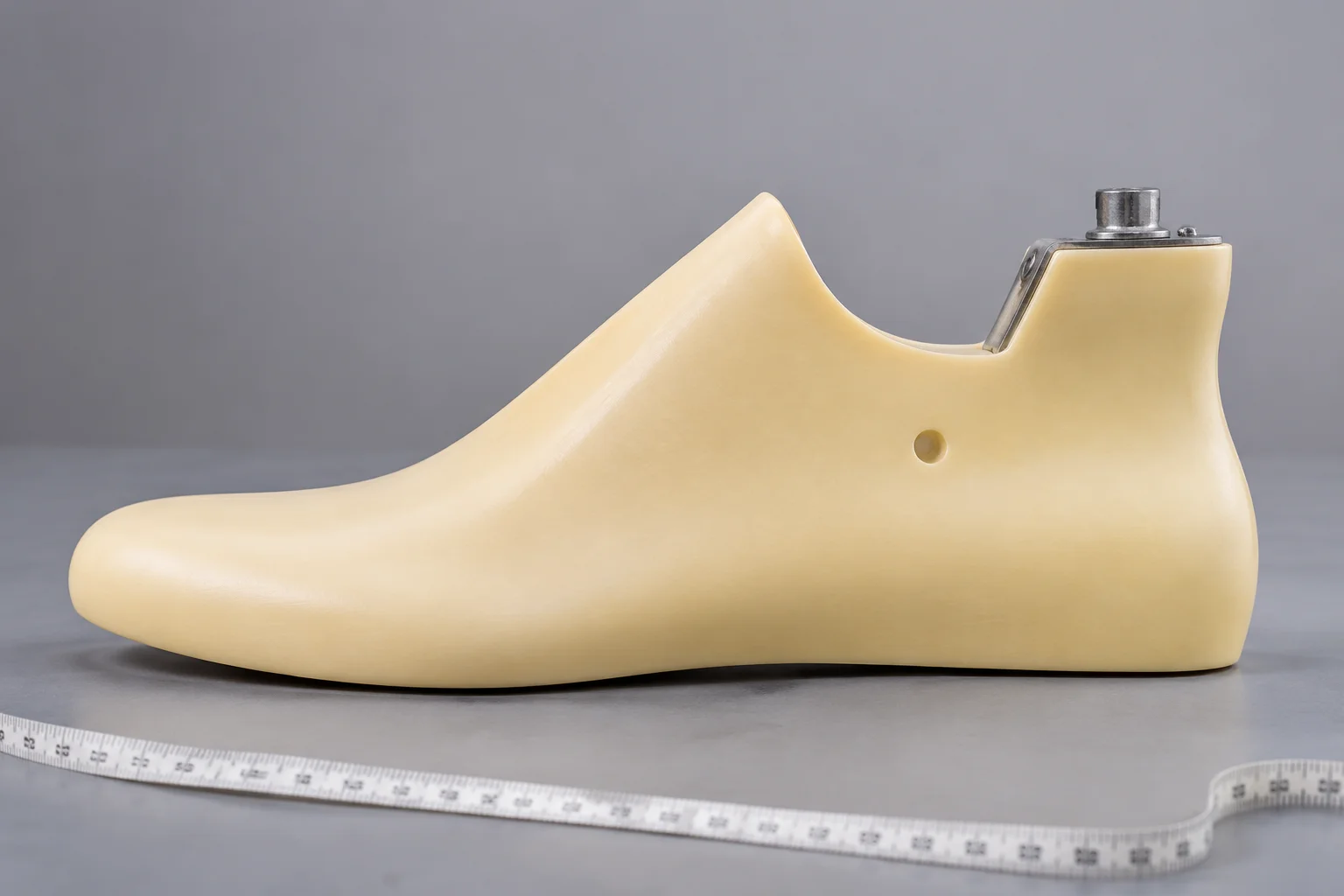
Figure 1: Gender-specific anatomical shoe last engineered with a narrow heel seat and sculpted arch contour
Anatomical Female Last Dimensions vs. Standard Unisex Grading
- Heel Seat Breadth: -5.0mm narrower cup for calcaneus lock.
- Medial Arch Radius: +3.2mm higher sculpted longitudinal support.
- Instep Cone Girth: -4.0mm reduced dorsal volume against lace bite.
- Ball Girth Angle: Asymmetric 12° splay for natural metatarsal spread.
- Toe Spring Elevation: 14mm–16mm optimized for efficient toe-off roll.
At Mychonly, our women's athletic and lifestyle sneakers are usually developed on dedicated female anatomical lasts, graded across US sizes 5 to 11 (EU 35 to 42) to provide immediate step-in lock and all-day comfort.
Midsole & Outsole Polymer Engineering: Cushioning, Rebound, and Weight Reduction
The bottom tooling unit accounts for up to 60% of a sneaker's total weight and over 90% of its perceived underfoot comfort. Balancing featherlight feel, long-term rebound elasticity, and high-traction durability requires precision polymer engineering.
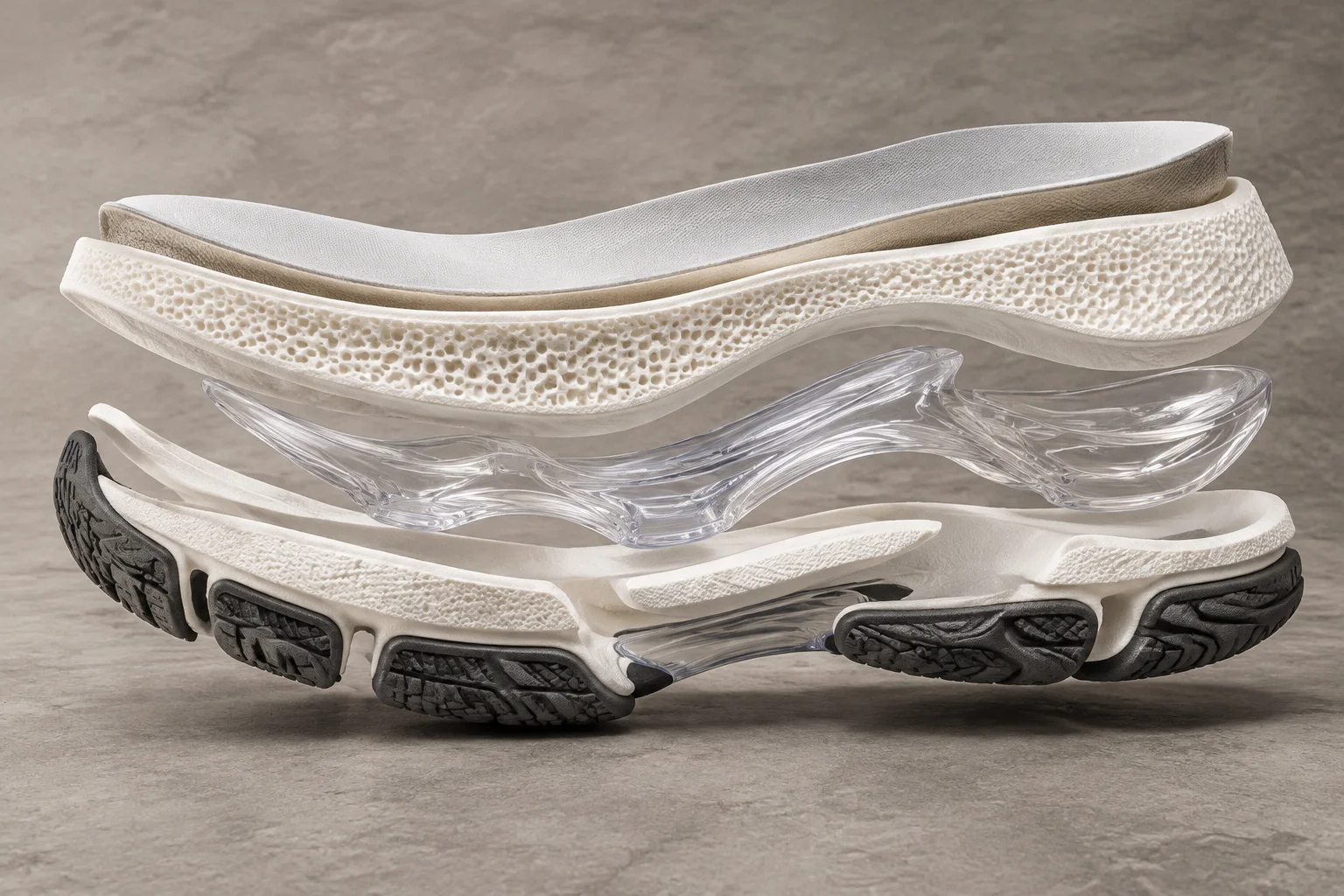
Figure 2: Supercritical nitrogen-foamed EVA midsole paired with zoned high-abrasion rubber traction pods
Core Sole Material Formulations & Technical Benchmarks
- Supercritical Nitrogen-Foamed EVA (Density: 0.16–0.22 g/cm³): Nitrogen gas is injected into molten EVA pellets under high pressure, creating ultra-fine microscopic cell structures. Delivers > 68% dynamic energy return with a 30% to 35% weight reduction compared to traditional CMEVA. Ideal for running shoes and aerobic walking trainers.
- Expanded Thermoplastic Polyurethane (E-TPU / "Popcorn Foam"): Steam-fused closed-cell TPU beads with extreme resilience and zero thermal compaction. Maintains consistent cushioning and shock absorption from -20°C to +40°C with > 72% energy return.
- Dual-Density Compression Molded EVA (CMEVA): Dual-injection mold combining a softer 45° Asker C core under the heel with a firmer 55° Asker C perimeter stabilization frame. Ideal for court and training sneakers requiring lateral torsional resistance.
- Segmented High-Abrasion Rubber Traction Pods (1.5mm–2.0mm): Molded high-traction rubber compound (DIN abrasion < 110 mm³) mapped strictly to anatomical strike and push-off zones. Provides exceptional wet-surface grip (SATRA TM144 coefficient > 0.45) while eliminating redundant rubber weight from the central arch.
Upper Engineering: Multi-Zone Jacquard Knits & Seamless Lamination
An ergonomic sole requires an equally refined upper assembly to wrap the foot without pressure hotspots.
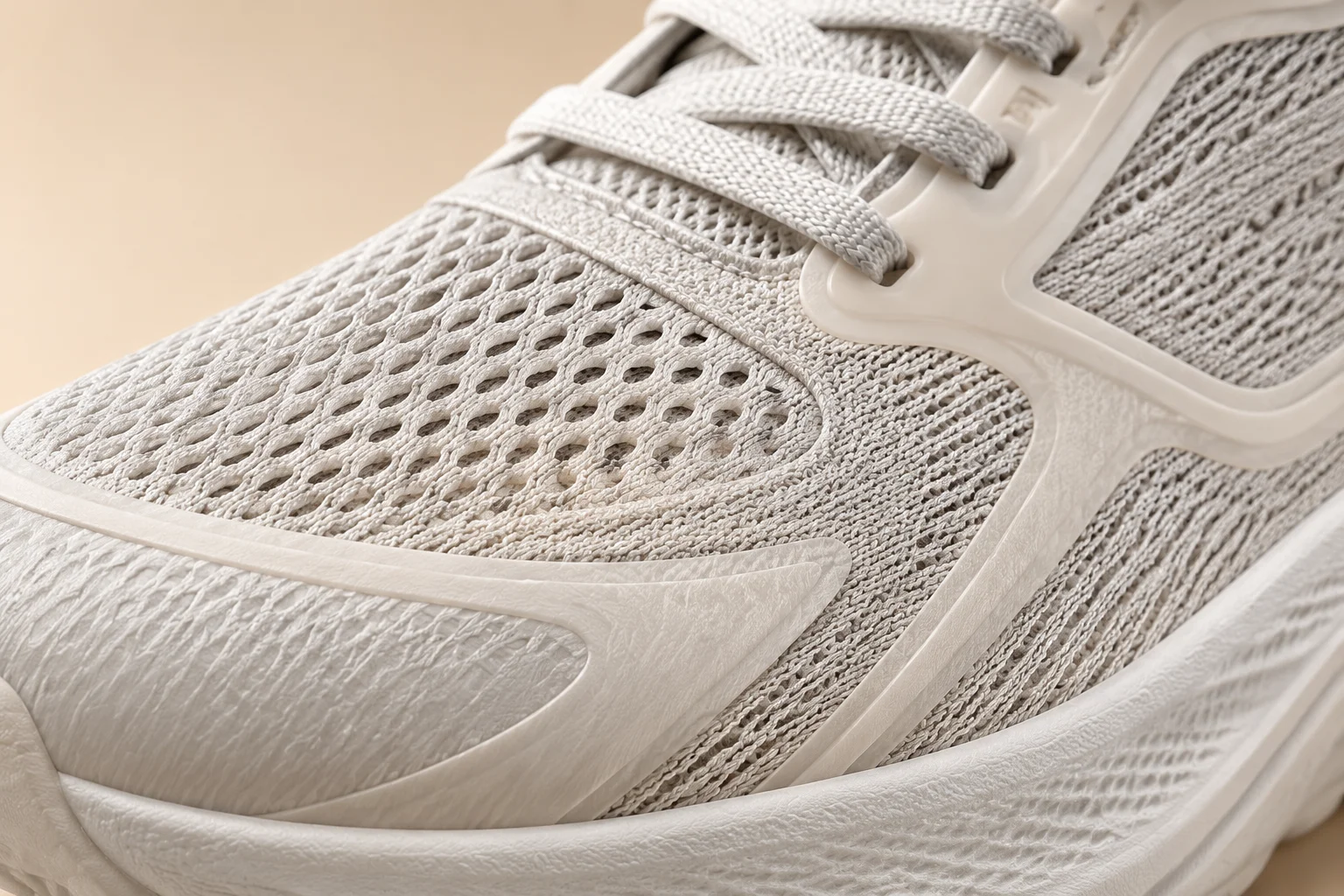
Figure 3: Multi-density technical jacquard knit sneaker upper featuring seamless hot-melt TPU reinforcement overlays
Modern Upper Materials & Assembly Construction
- Engineered Jacquard & 3D Flyknit Meshes: Produced on high-gauge flat knitting machines, combining open ventilation perforations over the toe box with high-density structural weave along the lateral quarter panels. 100% breathable, reducing internal humidity and preventing heat buildup.
- Seamless Hot-Melt TPU Film Lamination (0.4mm–0.6mm): Replaces heavy, stiff stitched leather overlays with laser-cut TPU films bonded via high-frequency heat presses. Delivers sharp, modern aesthetics, scuff-resistant toe bumper protection, and lightweight eyelet reinforcement without bulky seam lines.
- Bio-Based Synthetic Microfiber & Suede Overlays: Engineered microfiber suede (0.8mm–1.0mm) provides luxurious velvet texture, tensile strength > 35N, and high tear resistance for premium lifestyle sneakers.
Internal Construction: Strobel Insole Flex & Heel Collar Anchoring
Internal assembly craft governs foot stability, seam softness, and blister prevention.
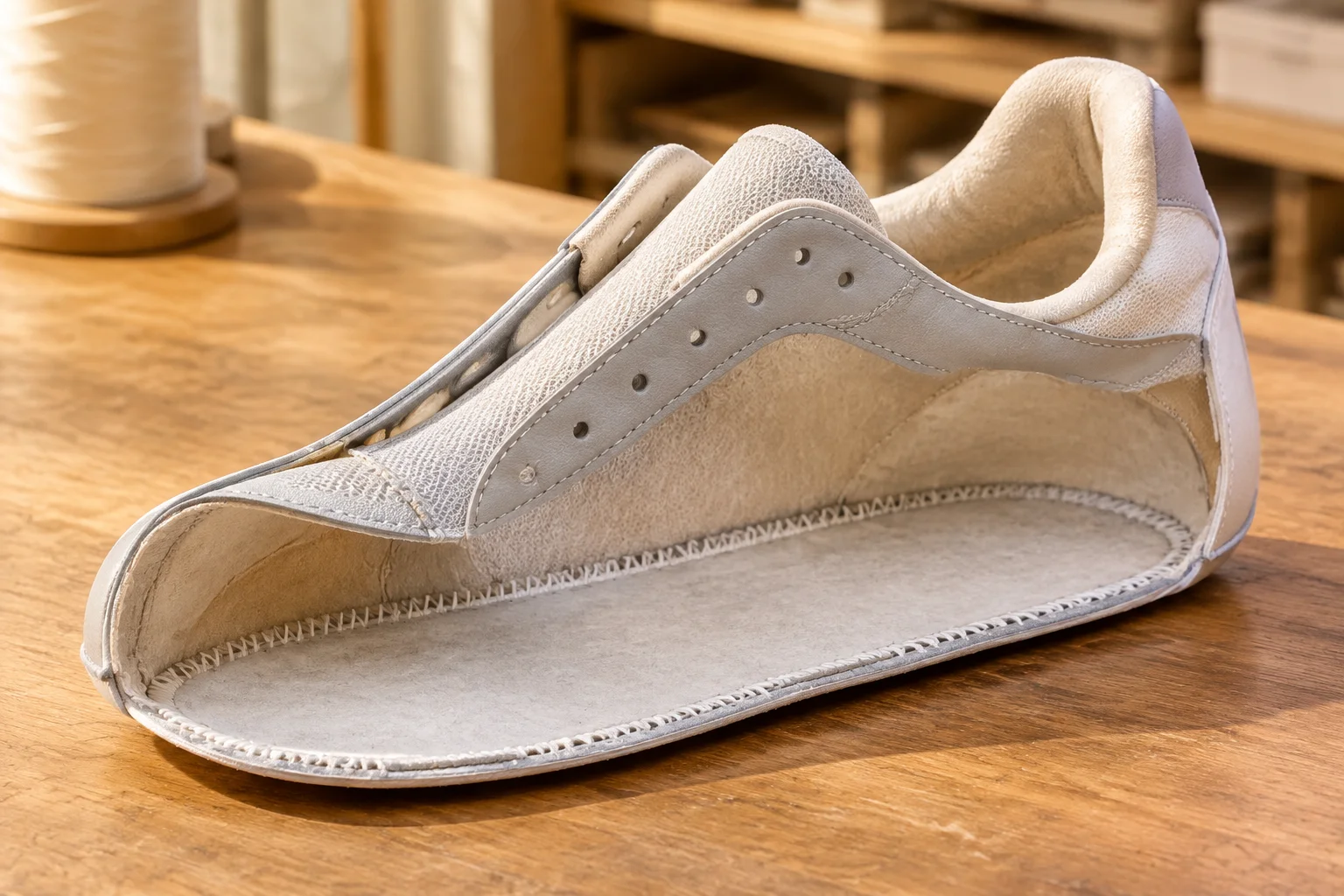
Figure 4: Unlasted women's sneaker upper showcasing Strobel stitching assembly and multi-density padded collar
Critical Internal Engineering Elements
- Strobel Assembly Construction: The upper is precision-stitched directly to a lightweight non-woven Strobel sockliner board using a specialized Strobel overlock machine. Eliminates rigid cardboard lasting boards, providing true 360-degree flexibility.
- Anatomical Collar & Achilles Foam Padding: Dual-density open-cell PU foam (28–32 kg/m³) shaped to cradle the malleolus (ankle bone) and Achilles tendon. Lined with friction-locking technical microfiber suede or anti-chafing 3D spacer mesh to lock the heel firmly in place.
- Orthotic Contoured Insole Inserts: Ergonomic molded insoles featuring a deep heel cup, arch support bridge, and moisture-wicking top cloth treated with long-lasting antimicrobial silver-ion finishes.
Tooling Strategy: Custom Proprietary Molds vs. 200+ Open-Mold Archives
Managing tooling capital expenditure is vital for footwear brands balancing unique brand identity with sound inventory economics.
Strategy A: Custom Proprietary Sole Molds
- Tooling Capex: Full proprietary CNC mold set
- Tooling Window: 30 – 40 days (CAD → CNC Aluminum)
- Intellectual Property: 100% exclusive design protected by NDA
- Best For: Core hero silhouettes with multi-season scale
Strategy B: Mychonly Open-Mold Sole Library
- Tooling Capex: $0 Mold Fee (Zero upfront tooling)
- Sampling Window: 15 to 20 working days
- Customization: Custom colors, gradients, bottom logo plates
- Best For: Agile trend launches (500 pairs MOQ)
Rapid Prototyping Roadmap: 15–20 Working Days from CAD to Golden Sample
Speed-to-market allows brands to capture seasonal demand windows without losing months in development friction.
15–20 Working Day Sneaker Sampling Milestones
- Phase 1 (Days 1–3): 2D/3D Tech Pack Review, CAD Sizing & Female Last Alignment
- Phase 2 (Days 4–7): Upper Cutting Dies, Knit Programming & Material Lab Dips
- Phase 3 (Days 8–12): Upper Stitching, Strobel Assembly & Sole Preparation
- Phase 4 (Days 13–16): Toe/Heel Lasting, Sole Cementing & Heat Chamber Curing
- Phase 5 (Days 17–20): Dynamic Fit Trial, Mechanical Lab Testing & Sample Dispatch
Within 15 to 20 working days, Mychonly delivers retail-ready Golden Samples complete with custom branded insoles, color-matched Pantone swatches, and pre-production technical test sheets.
Pre-Shipment 5-Gate Laboratory Quality Assurance
To protect footwear brands against costly customer returns or warranty disputes, every production batch passes rigorous mechanical testing:
- Sole Bonding Peel Strength (SATRA TM411 / ISO 17708): Minimum 3.5 N/mm bond strength between midsole and upper, verified across forefoot, waist, and heel joints.
- Midsole Flex Fatigue (SATRA TM161 / ISO 20344): 100,000 continuous flex cycles at room temperature and -5°C with zero foam crack propagation.
- Outsole Abrasion Resistance (DIN 53516 / ISO 4649): Volume loss restricted to < 120 mm³ under continuous rotating abrasive drum friction.
- Color Fastness to Crocking & Perspiration (ISO 105-E04): Grade 4.0 or higher under synthetic sweat solutions to guarantee zero dye transfer onto consumer socks.
- 100% In-Line Dual-Head Metal Detection: Every finished sneaker passes through electromagnetic needle detectors before boxing.
Flexible Sourcing & Scaled Bulk Production
Mychonly Sourcing & Production Advantages
- Flexible Minimum Order: 500 Pairs per style and colorway
- Fast Sampling Turnaround: 15–20 Working Days
- Audited Quality Standards: BSCI, SEDEX & Disney Factory Audited
- Production Capacity: 300,000 Pairs / Month across athletic, casual, and vulcanized lines
- Bulk Production Window: 45 to 60 Days Delivery with full door-to-door DDP logistics
Frequently Asked Questions (FAQ)
*What is the minimum order quantity (MOQ) for custom women's sneakers?
At Mychonly, our standard flexible production begins at 500 pairs per style and colorway, allowing brands to produce complete size runs across US 5 to 11 (EU 35 to 42) with minimal inventory risk.
*How long does it take to produce a physical sneaker sample?
Our full prototyping and physical sample turnaround takes 15 to 20 working days from approved CAD tech packs, including custom upper pattern cutting, sole assembly, and wear-testing.
*What is the cost of opening a new custom sneaker sole mold?
Custom proprietary CNC aluminum sole molds vary based on size range and design complexity. Alternatively, brands can utilize our 200+ open-mold sole library with $0 mold investment to achieve fast time-to-market.
*How do you ensure sneaker sole bonding does not delaminate over time?
We utilize automated surface halogenation primers and temperature-controlled PUR hot-melt adhesives, followed by high-pressure pneumatic hydraulic pressing (0.4–0.6 MPa) to guarantee bond peel strength exceeding SATRA TM411 standards (> 3.5 N/mm).
Ready to Engineer Your Women's Sneaker Line?
Partner with Mychonly's dedicated footwear engineering and manufacturing facilities. Access gender-specific anatomical lasts, 200+ open-mold lightweight soles, agile 500-pair MOQs, and rapid 15–20 day sample turnarounds.