


Footwear Materials Sourcing & Engineering Whitepaper
In women's athletic footwear, the internal lining is the single critical interface directly determining blister prevention, heel hold, thermal regulation, and post-purchase customer satisfaction. While upper aesthetics drive initial purchase intent, lining performance governs product returns and long-term brand loyalty. This B2B guide analyzes the technical characteristics, lamination chemistry, and testing standards of high-performance sneaker linings: from 3D spacer meshes and technical microfibers to Cambrelle non-wovens and sustainable bamboo fibers for 500-pair private label production.
The Hidden Engineering Challenge in Women's Athletic Footwear Linings
Women's foot morphology presents distinct biomechanical requirements compared to unisex footwear lasts. Biomechanical studies indicate that women's feet exhibit a narrower heel-to-forefoot ratio, a higher instep arch curve, and thinner epidermal layers that are significantly more vulnerable to friction-induced shear stress and heel slippage.
When an athletic sneaker lining fails, it typically triggers two major product defects:
- Premature Collar Wear-Through: Repetitive friction between the calcaneus bone and the rear collar lining tears through low-grade fabrics within 30 to 60 days of consumer wear.
- Moisture Trapping & In-Shoe Heat Build-Up: Inadequate water vapor permeability causes sweat accumulation, leading to odor generation, skin maceration, and internal foam layer breakdown.
For footwear brands and OEM developers, engineering the optimal lining assembly requires calibrating abrasion resistance (Martindale cycles), moisture-wicking capillary action, foam lamination density, and anti-slip collar textures.
Lining Material Selection Matrix (B2B Performance Benchmarks)
1. 3D Air Spacer Mesh (Honeycomb Breathability & Resilience)
3D sandwich mesh (spacer fabric) is the industry standard for performance running, training, and walking sneakers. It consists of a top mesh layer, an open vertical monofilament core, and a soft backing knit.
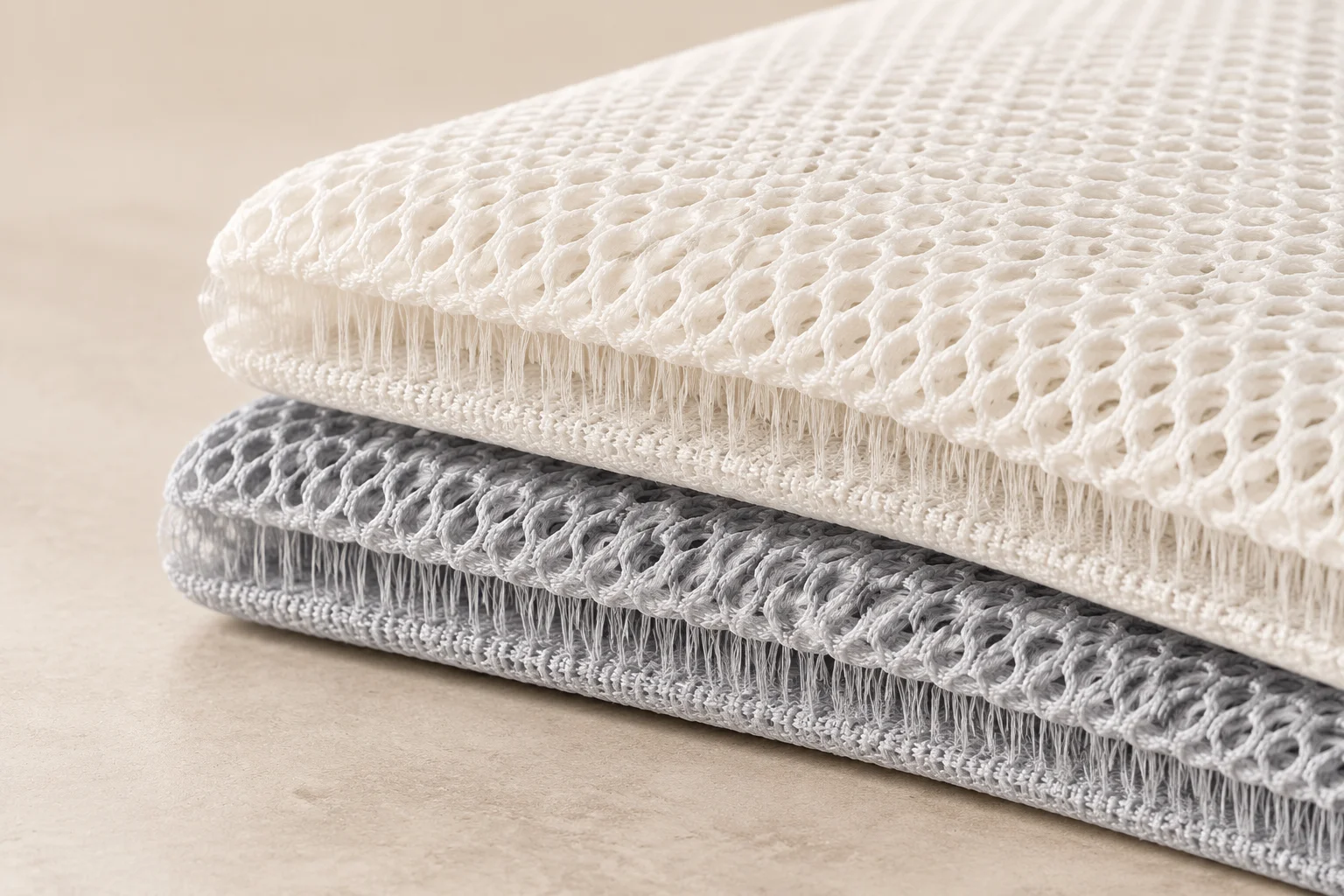
Figure 1: 3D air spacer mesh showing open honeycomb structure and vertical cushioning monofilaments.
Technical Characteristics & Specifications
- Weight & Thickness: 220 to 360 gsm; 2.5mm to 4.5mm total thickness.
- Air Permeability: Exceeds 800 L/m²/s, creating dynamic micro-air channels that expel heat and humidity during foot flex.
- Cushioning Retention: The vertical monofilament structure provides continuous spring-back without bottoming out under dynamic load.
- Best Application: Quarter lining, tongue lining, and toe box lining in lightweight running and aerobic footwear.
2. Technical Microfiber Suede & Vegan Leather (Anti-Slip Heel Hold)
For sports demanding frequent lateral cuts, court stability, or premium lifestyle aesthetics (such as tennis, pickleball, and luxury fashion sneakers), technical microfiber suede delivers exceptional tactile luxury and structural durability.
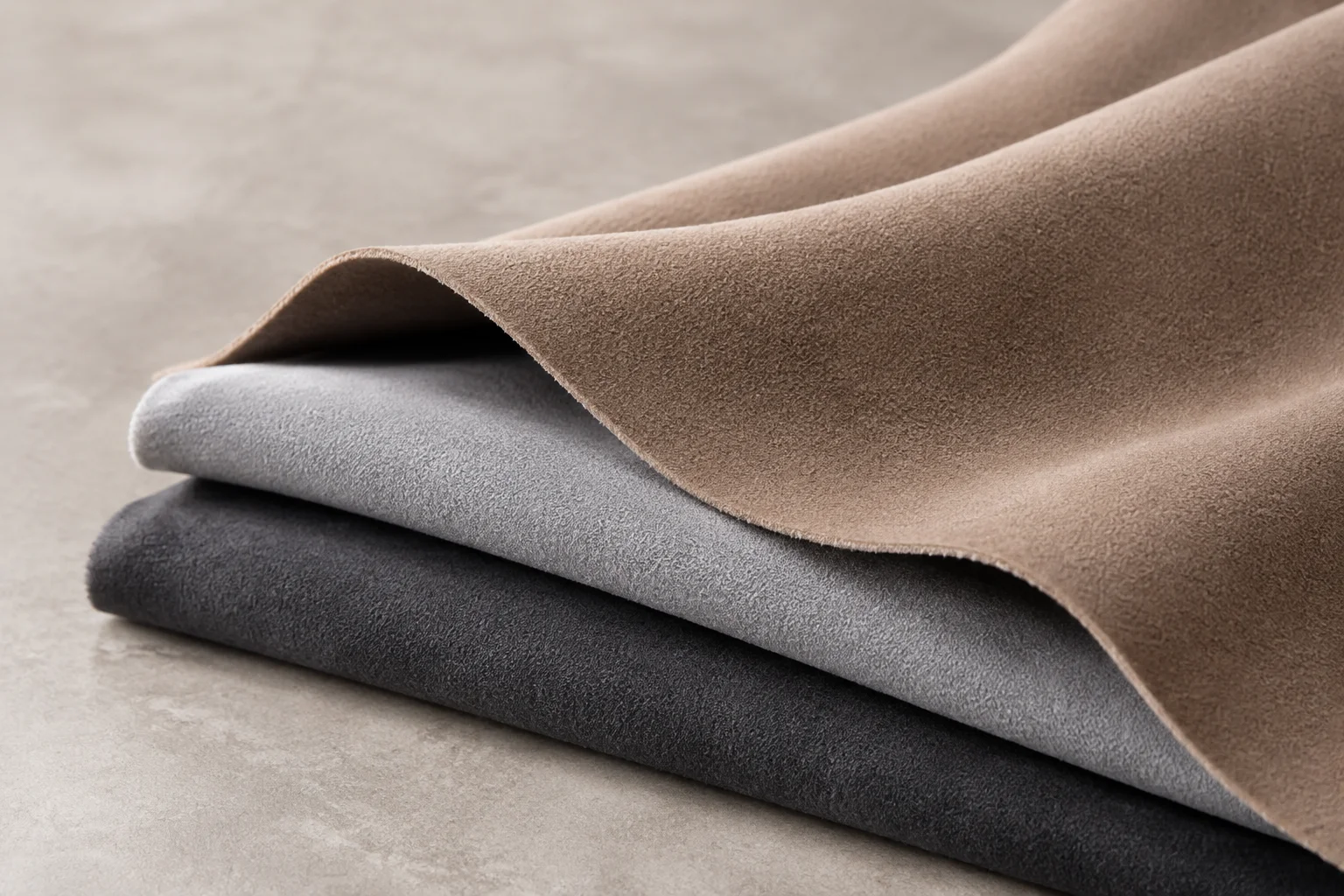
Figure 2: High-density microfiber suede swatches engineered for heel collar hold and high tear strength.
Technical Characteristics & Specifications
- Tensile & Tear Strength: 0.6mm to 0.8mm thickness with cross-woven matrix structure offering > 35N tear strength.
- High Martindale Abrasion Rating: Withstands > 50,000 dry rubs (SATRA TM31) without surface pilling or fiber thinning.
- Heel Slip Reduction: The high-coefficient-of-friction suede finish locks the wearer's heel snugly into the counter cup, eliminating calcaneus slip.
- Best Application: Rear heel counter lining, collar collar rolls, and eyelet reinforcement facings.
3. Non-Woven Cambrelle & Nylon 6.6 Matrices (High-Speed Moisture Dispersion)
Cambrelle is a specialized bi-component thermal-bonded non-woven polyamide fiber matrix engineered specifically for high-stress footwear interiors.
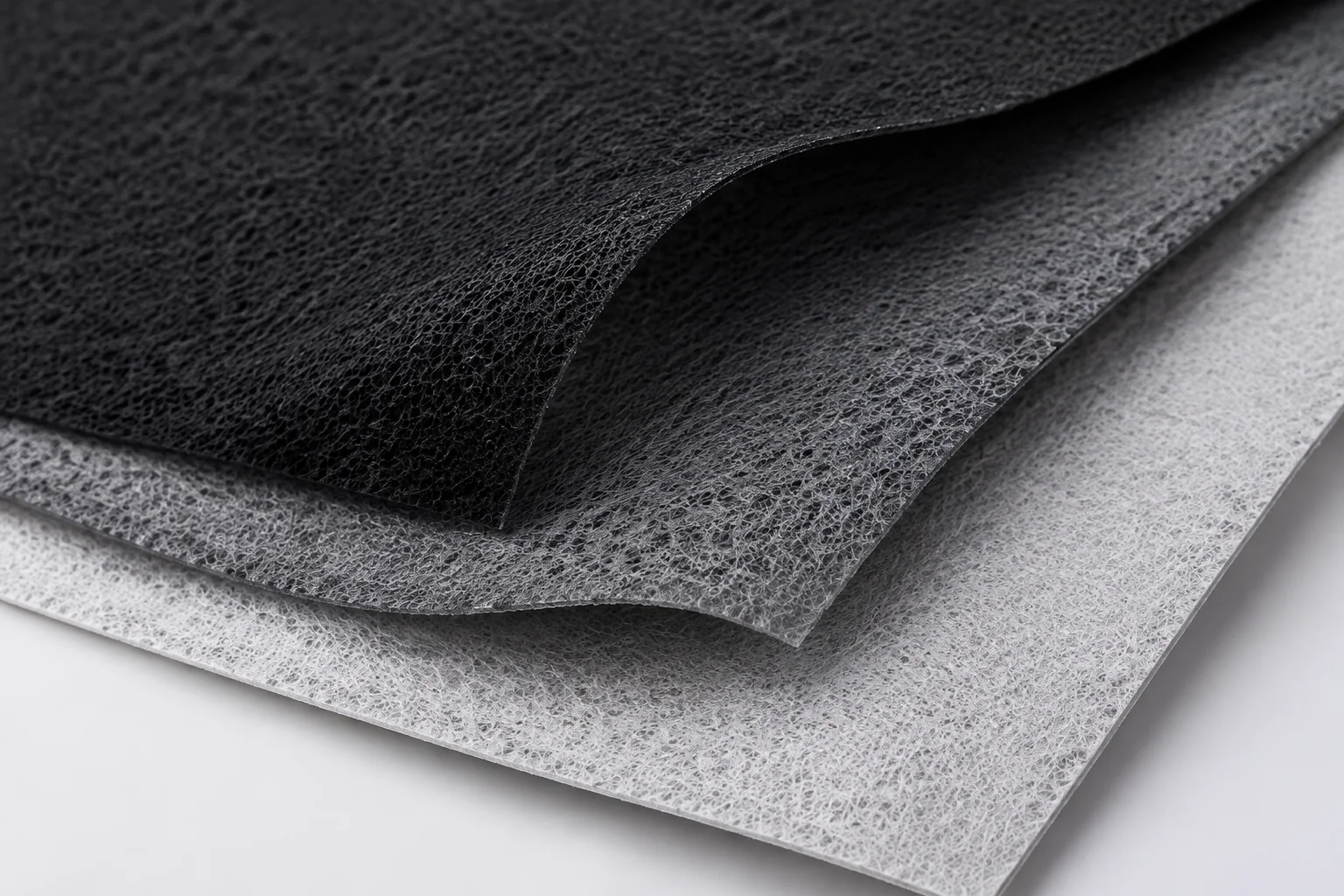
Figure 3: Thermal-bonded non-woven Cambrelle matrix providing 350% moisture absorption and high tensile strength.
Technical Characteristics & Specifications
- Moisture Absorption Capacity: Absorbs up to 350% of its dry weight in moisture, rapidly pulling sweat away from the foot surface via capillary dispersion.
- Fast Desorption Rate: Releases trapped moisture into the atmosphere rapidly once the shoe is removed, preventing bacterial multiplication.
- Rot & Mildew Resistance: 100% synthetic polyamide construction prevents fungal growth even in humid tropical climates.
- Best Application: Footbed top-cloth sockliners, tongue backings, and forefoot vamp linings.
4. Sustainable Bamboo Terry & GRS Recycled Polyesters (Clean & Hypoallergenic)
As consumer demand shifts toward circular fashion and sustainable sports gear, natural bio-fibers and Global Recycled Standard (GRS) knits provide an eco-luxury market differentiator.
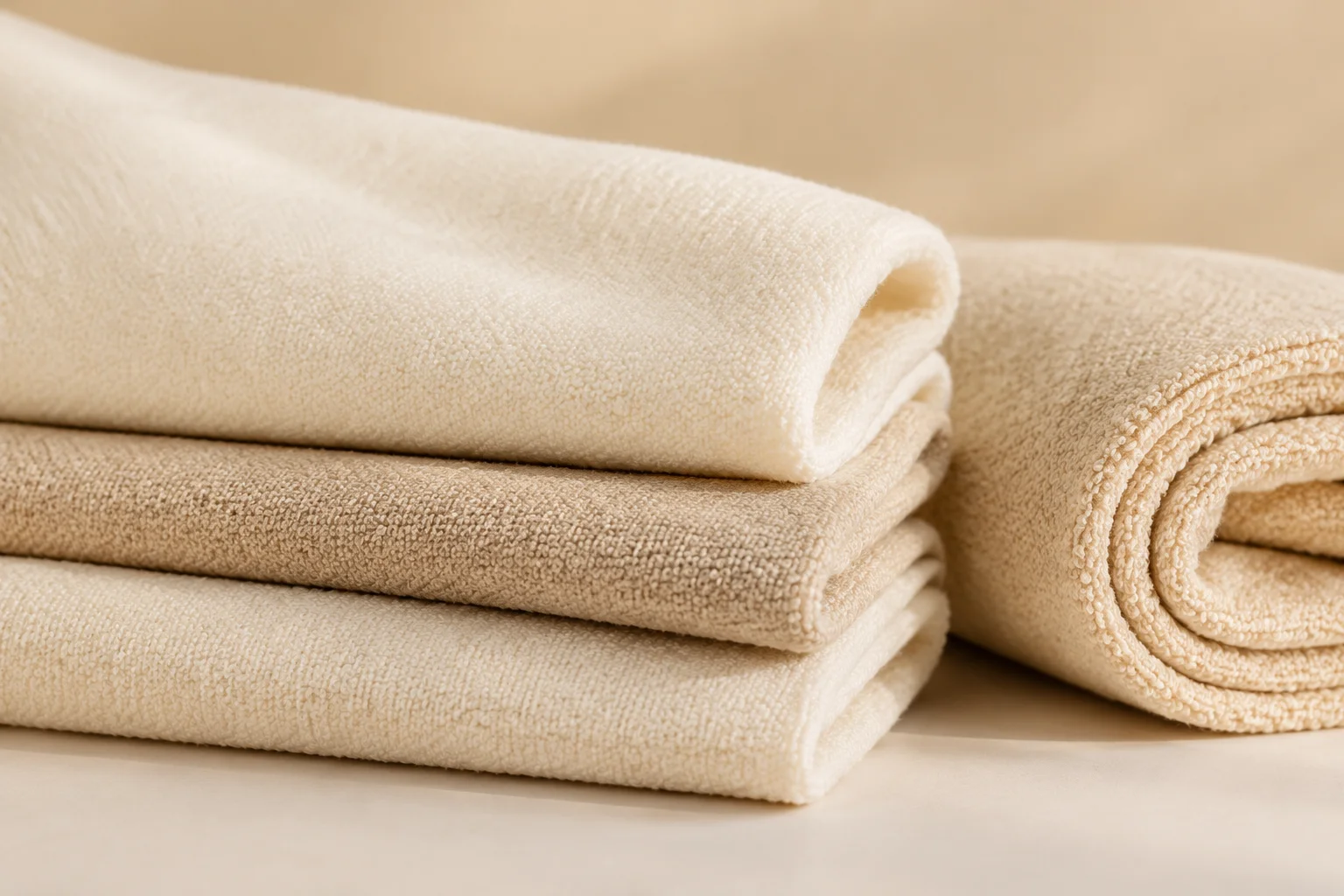
Figure 4: Organic bamboo Terry knit featuring soft plush loops and natural hypoallergenic properties.
Technical Characteristics & Specifications
- Natural Antimicrobial Action: Bamboo bio-fiber contains natural bamboo kun, an inherent bacteriostatic agent that suppresses 99% of common odor-causing bacteria.
- Ultra-Soft Tactile Hand Feel: Loop-knit French Terry construction provides plush, sockless comfort ideal for slip-on recovery shoes and casual lifestyle trainers.
- Traceable Supply Chain: Certified under OEKO-TEX Standard 100 and GRS for zero harmful dyes, heavy metals, or chemical residue.
- Best Application: Recovery sneakers, barefoot slip-ons, and post-workout lifestyle footwear.
5. Foam Lamination & Adhesive Engineering
A premium lining fabric can easily be compromised by substandard internal foam padding or impermeable lamination glues.
Lamination Anatomy for Women's Athletic Collars
- Open-Cell PU Foam (28–35 kg/m³): Maintains resilient collar rebound while permitting continuous airflow.
- High-Density Memory Foam (4mm–6mm): Conforms dynamically to individual ankle bone contours for zero pressure points.
- PUR Hot-Melt Web Lamination: Bonds fabric to foam via microscopic dot matrices, preserving 100% of vapor breathability without stiffening.
6. Mandatory Laboratory Quality Testing Protocols
To safeguard footwear brands against premature product failures, high heel and athletic shoe linings must pass rigorous pre-production mechanical testing:
- Martindale Abrasion Test (SATRA TM31 / ISO 12947): Minimum 25,600 dry cycles and 12,800 wet cycles with zero hole formation or yarn rupture.
- Water Vapor Permeability (SATRA TM47 / ISO 20344): Water vapor coefficient ≥ 20 mg/cm² over 8 hours to ensure effective thermal regulation.
- Color Fastness to Perspiration & Crocking (ISO 105-E04 / AATCC 8): Grade 4.0 or higher under synthetic sweat solutions to guarantee zero dye transfer onto socks.
7. B2B Sourcing Strategy & 500-Pair Flexible Production
For private label footwear brands and retail buyers, balancing material quality, sample speed, and inventory exposure is vital to commercial success.
Solefina Sourcing & Production Advantages
- Flexible Minimum Order: 500 Pairs per style and colorway
- Certified Supply Chain: BSCI, SEDEX & Disney Factory Audited
- Antimicrobial Treatment: Silpure & Zinc Ion Infusion for lasting odor resistance
- Rapid Material Sampling: Swatches and physical lab-dips dispatched within 48 hours
- Production Lead Time: 35 to 45 Days Bulk Delivery with full door-to-door DDP logistics
Frequently Asked Questions (FAQ)
What is the best lining material for women's high-performance running sneakers?
3D Air Spacer Mesh (280–320 gsm) is optimal for high-performance running shoes due to its multi-directional airflow, rapid moisture evacuation, and internal cushioning resilience.
What is the minimum order quantity (MOQ) for custom sneaker lining development?
At Solefina, our standard flexible production begins at 500 pairs per style and colorway, allowing brands to customize lining fabrics, foam padding densities, and branding labels without burdensome inventory liability.
How do you prevent heel collar lining from tearing quickly?
We recommend using technical microfiber suede (0.7mm) or high-denier reinforced nylon mesh combined with high-density PU collar foam, ensuring Martindale abrasion resistance exceeding 50,000 continuous test cycles.
Can sneaker linings be treated with long-lasting antimicrobial finishes?
Yes. We apply non-toxic silver ion (Silpure) or organic zinc-based antimicrobial treatments during fabric finishing, inhibiting 99% of bacterial growth for over 50 domestic wash cycles.
Optimize Your Footwear Collection with Engineering-Grade Linings
Partner with Solefina's dedicated athletic footwear manufacturing facility. Access audited textile sourcing, rapid material prototyping, flexible 500-pair MOQs, and rigorous SATRA-standard quality assurance.


