Every year around late July, our factory sales team receives urgent inquiries from emerging fashion brands and boutique buyers: "We want to launch our Autumn/Winter boot collection by early September. Can we place a 500-pair order today and have it delivered in 5 weeks?"
The realistic answer is always no. In professional footwear manufacturing, production lead time is governed by physical, sequential processes that cannot be compressed without severe quality compromises. A shoe is not simply stitched together on a conveyor belt in an afternoon; it requires custom leather tanning, dedicated outsole and heel sourcing, precision pattern grading, structural lasting, and mandatory 24-to-48-hour mechanical shape retention on the wooden last.
Understanding the real manufacturing timeline-and specifically the critical dependency on final golden sample sign-off (learn more about our prototyping workflow in our guide on how to develop women's footwear samples)-is the single most effective way to protect your seasonal drop dates and avoid missing peak retail windows like Black Friday.

Figure 1: The two-stage manufacturing timeline highlighting the critical transition from 3–4 week prototype sampling to 45–60 day bulk production upon final sign-off.
1. The Two-Stage Manufacturing Timeline: From Prototype to Bulk
Our factory operations strictly separate development into two sequential phases: Phase 1 Prototype Calibration and Phase 2 Bulk Production.
| Production Stage | Physical Activity & Factory Dependency | Standard Duration | Critical Pre-Condition |
|---|---|---|---|
| Stage 1: First Prototype | Last matching, pattern cutting, trial leather pull-over, and fitting trial. | 3–4 Weeks | Tech Pack / spec confirmation & Pantone code freeze. |
| Sample Revisions (If Any) | Fine-tuning collar curvature, heel pitch balance, or strap positioning. | 10–14 Days | Clear dynamic wear-trial feedback from buyer. |
| ★ THE CRITICAL MILESTONE | Final Golden Sample Sign-Off & Tech Pack Specification Freeze | Day 0 of Bulk | Signed physical sample & written confirmation. |
| Stage 2A: Bulk Material Sourcing | Custom leather batch tanning, lining procurement, sole molding, and hardware electroplating. | 20–25 Days | Bulk clock begins ONLY after Stage 1 approval. |
| Stage 2B: Stitching & Assembly | Upper skiving, stitching, lasting over wooden lasts, hot/cold shape stabilization, and sole bonding. | 20–25 Days | Complete arrival and inspection of all bulk materials. |
| Stage 2C: QC & Final Packaging | Inline inspection, 100% cosmetic/fit check, shoe boxing, and export carton palletizing. | 5–10 Days | Total Bulk: 45–60 Days Post-Approval |
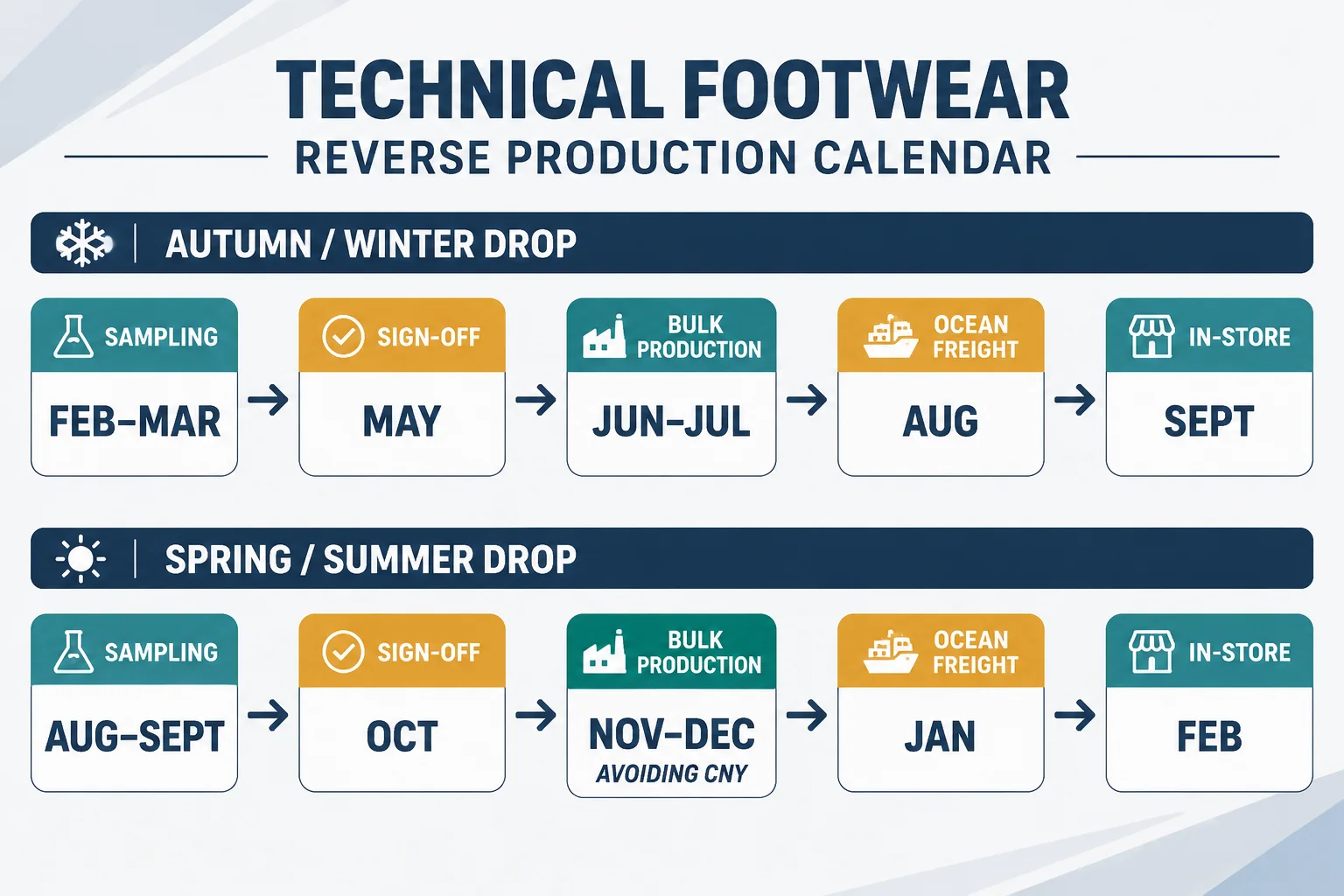
Figure 2: Physical factory manufacturing workflow breaking down leather tanning, lasting stabilization, and inspection.
2. The Golden Rule: Bulk Clocks Start ONLY After Final Sign-Off
Factory Operating Principle: Bulk material procurement and cutting will never commence based on an unapproved prototype. The 45–60 day production clock starts on the exact calendar day all physical details, Pantone swatches, and size grading specs are formally frozen.
Why is this sequential rule non-negotiable for brand safety?
- Tannery Minimum Dye Lots: High-grade custom-dyed calfskin, satin, or suede requires dedicated batch dye runs. If an upper pattern changes by even 5 mm during sample trials, leather cutting yield calculations shift, causing severe material shortages or expensive waste.
- Outsole & Last Lock-In: Once private sole molds or graded stock lasts are mounted on the bulk line, altering the heel height or toe spring requires scrapping already-purchased bottom components.
- Hardware & Component Plating: Custom metal eyelets, buckles, and zipper pulls must match the approved finish; re-plating delayed parts halts the entire assembly line.
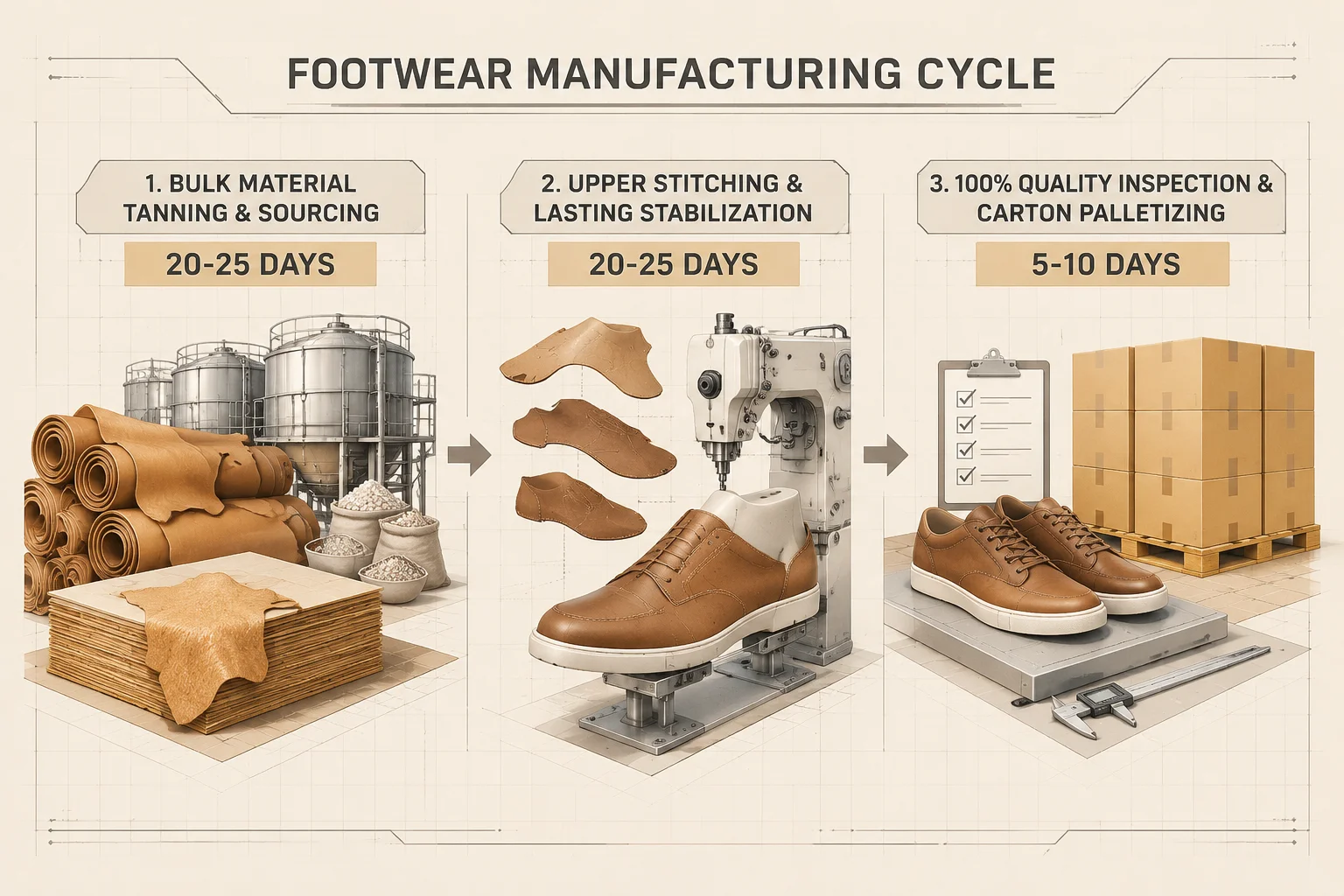
Figure 3: Reverse scheduling benchmarks for Autumn/Winter and Spring/Summer seasonal drops.
3. Reverse Calendar: How to Back-Schedule Your Collection Drops
To ensure your inventory arrives in warehouse shelves ahead of retail drop dates, always plan backward from your target in-store delivery date using these proven seasonal baselines:
A. Autumn/Winter Collections (September/October Launch)
- Sampling Kickoff: February – March
- Final Golden Sample Sign-Off: May 15th – May 30th
- Bulk Manufacturing (45–60 Days): June – July
- Ocean Freight Transit (30–35 Days): August
- Warehouse Receiving: Early September
B. Spring/Summer Collections (February/March Launch)
- Sampling Kickoff: August – September
- Final Golden Sample Sign-Off: October 15th – October 30th
- Bulk Manufacturing (45–60 Days): November – December (Critical: Avoids Chinese New Year factory shutdowns in January/February)
- Ocean Freight Transit (30–35 Days): January
- Warehouse Receiving: Late February
4. Footwear Buyer's Timeline Management Checklist
- ✓ First Prototype Window: Have you budgeted 3–4 weeks for initial prototype making and international courier transit?
- ✓ Fit Trial Revision Buffer: Is there a 10–14 day buffer allocated in case a second revised sample is required?
- ✓ Hard Sign-Off Milestone: Is your internal team aligned to freeze all upper, lining, and Pantone color specs by the agreed cut-off date?
- ✓ Bulk Production Duration: Have you allowed 45–60 days strictly from the physical sign-off date for full bulk manufacturing and QC?
- ✓ Freight Method Factored: Have you accounted for 30–35 days for ocean freight or 7–10 days for air express?
Plan Your Footwear Production Calendar With Us
Protecting your seasonal drop dates starts with a realistic, disciplined production timeline. Send us your design concepts, target in-store dates, and volume forecasts for a customized backwards-scheduled production plan.
Request Production Schedule & Sampling Consultation