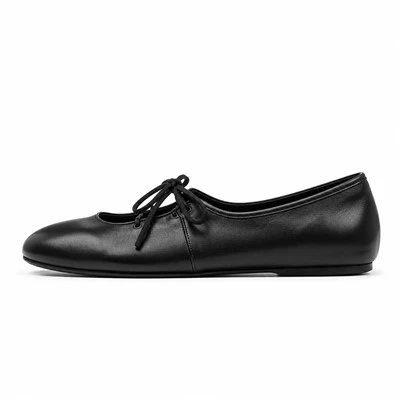
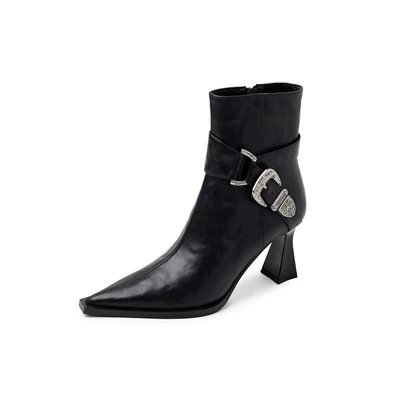
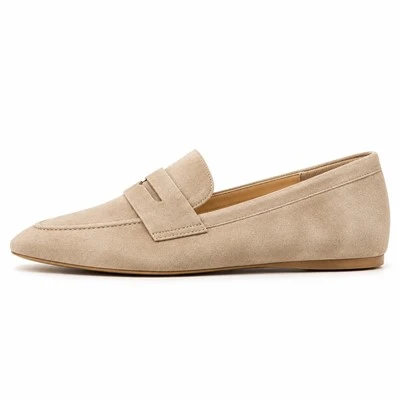
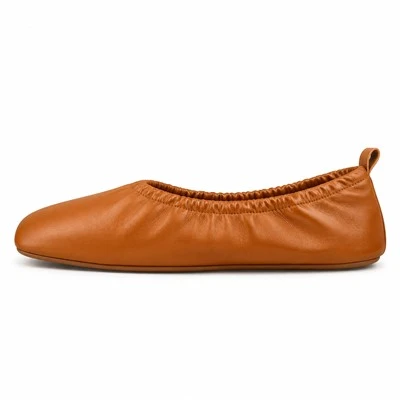
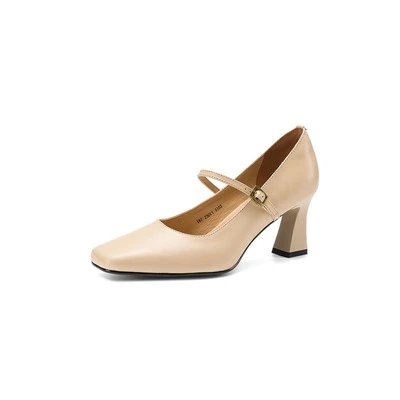
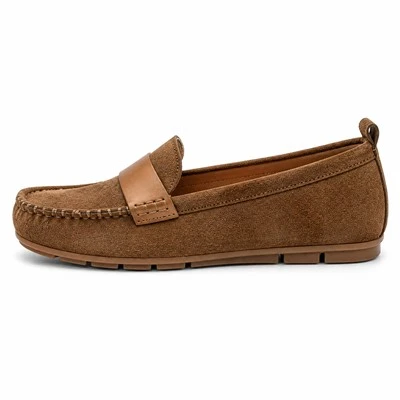
Every week, our sample development room receives dozens of new footwear project inquiries. They generally arrive in three distinct forms: a screenshot of a trending shoe from Instagram with a request to "add my logo", a rough pencil sketch on notebook paper, or an ultra-rendered conceptual design generated via AI tools like Midjourney.
Each format represents a different development pathway. While applying a custom logo to an existing silhouette is straightforward, translating raw hand sketches or AI-generated artwork into a wearable, mass-producible shoe requires practical engineering. AI concepts often depict gravity-defying heel arches, zero-clearance stitching, or color gradients that react entirely differently across patent leather, calfskin, and satin. Hand sketches, on the other hand, frequently omit critical dimensions like heel pitch, ball girth, and collar curvature.
If you are an emerging brand founder or product developer navigating your first collection (learn more about our standard sampling stages in our comprehensive guide on how to develop women's footwear samples), here is how a working factory evaluates 2D concepts and builds a reliable prototype roadmap.
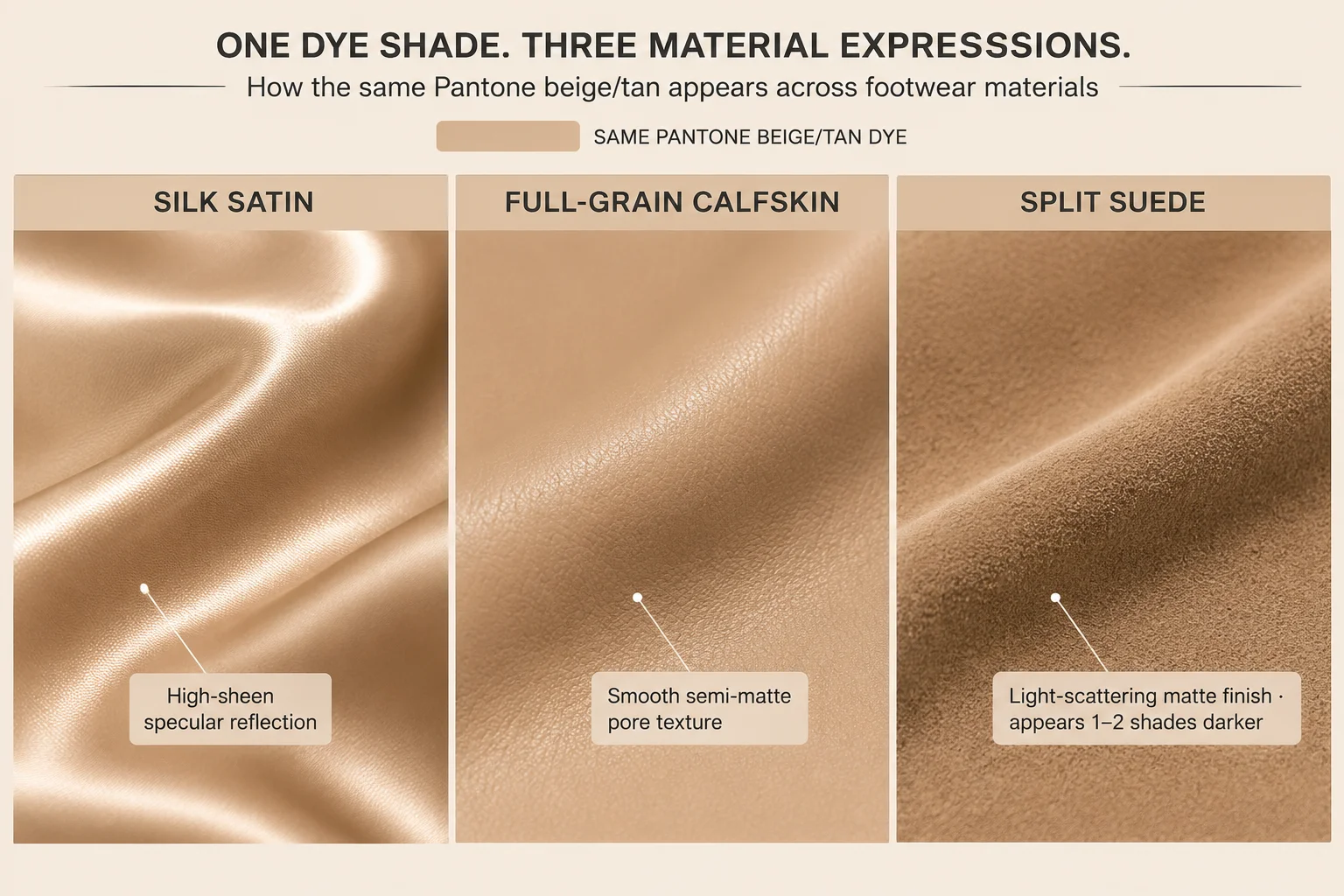
Figure 1: The 3-tier custom footwear development hierarchy balancing tooling budget, MOQ, and design uniqueness.
1. The 3-Tier Customization Ladder: Choosing Your Starting Point
To balance development budget, tooling risk, and brand uniqueness, we categorize custom footwear development into three practical tiers:
| Customization Tier | Input Provided by Buyer | Factory Workflow | Tooling & Last Cost | MOQ & Lead Time |
|---|---|---|---|---|
| Tier 1: Private Label | Existing factory sample reference + Vector Logo | Apply custom heat-stamped insole logo, branded outsole island, and custom packaging. | $0 (Uses proven stock lasts & sole molds) | MOQ: 100–300 pairs Sampling: 7–10 days |
| Tier 2: Semi-Custom (Recommended) | Reference photo or sketch modifying an existing shoe | Match upper lines to an existing library last. Adjust strap positions, toplines, or material combinations. | $0 – Low (No new sole molds required) | MOQ: 300–500 pairs Sampling: 12–15 days |
| Tier 3: Full Bespoke | Complex hand sketch or AI concept with custom heel/sole | 3D pattern engineering, custom wooden last carving, steel shank testing, and private sole mold opening. | High ($500–$3,000+ for full size-grade mold sets) | MOQ: 500+ pairs Sampling: 20–30 days |
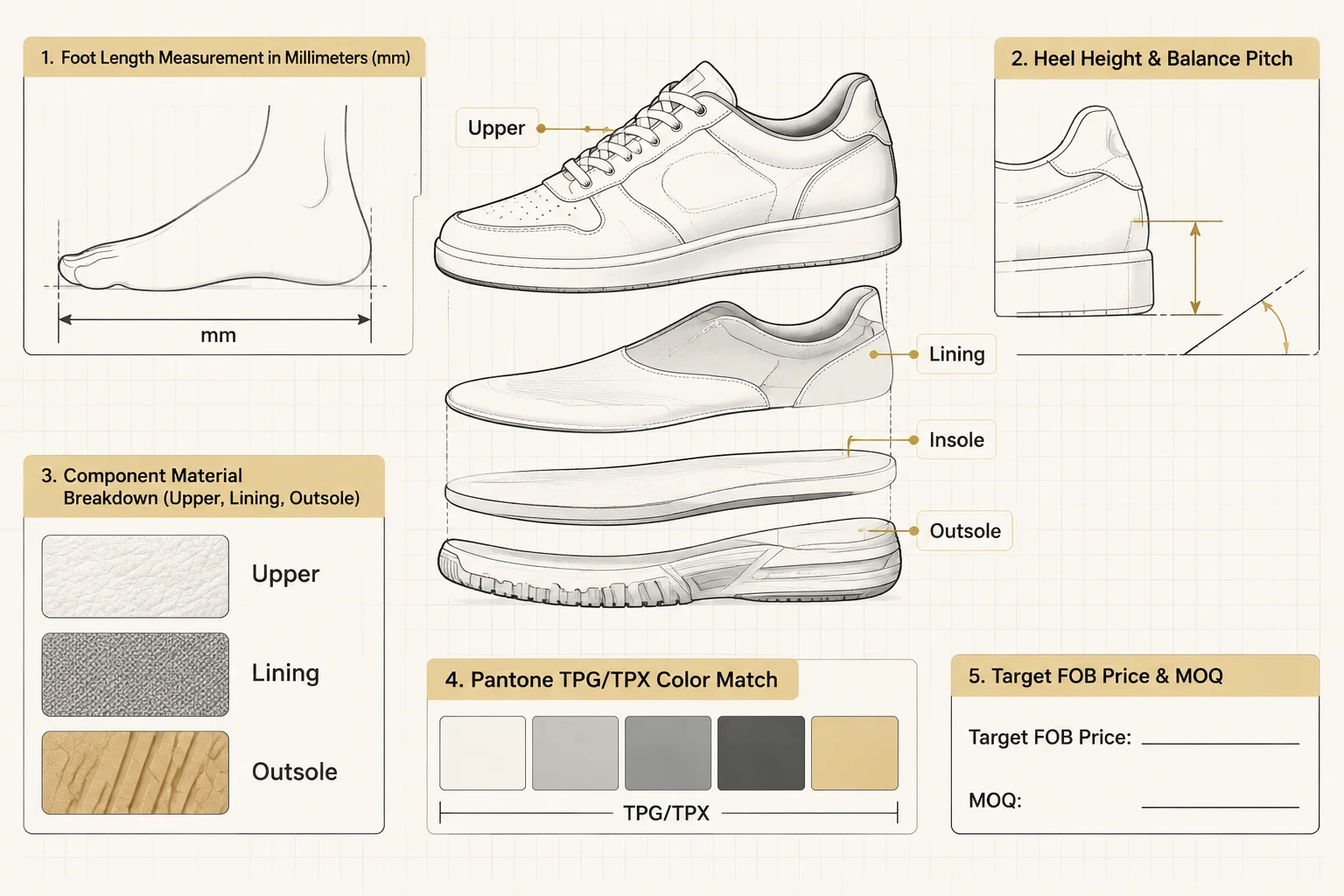
Figure 2: Physical color and texture variation when applying identical dye shades across satin, calfskin, and suede.
2. Resolving the AI & Sketch Dilemma: Materials and Physical Feasibility
When working with conceptual sketches or AI renderings, two core bottlenecks must be addressed before cutting upper leather:
A. Material Realism & Color Consistency
An AI prompt might render a uniform "Champagne Beige" across an entire shoe. In the real physical workshop:
- Silk Satin: Reflects ambient light with a high-sheen specular luster.
- Full-Grain Calfskin: Absorbs dye with natural pore depth and semi-matte finish.
- Split Suede or Nubuck: Scatters light across open fibers, making the exact same Pantone code appear 1 to 2 shades darker.
Factory Recommendation: Always specify physical Pantone TPG or TPX color references for each distinct panel rather than relying on digital RGB screen swatches.
B. Structural Gravity & Last Pairing
Shoes cannot be lasted in thin air; they require an underlying rigid last. An AI concept often depicts an ultra-slim 100 mm stiletto heel without an adequate forward pitch balance. To ensure the prototype is walk-stable without arch collapse, our pattern makers map the upper lines onto a calibrated stock last that already incorporates a verified steel shank and ergonomic arch curvature.
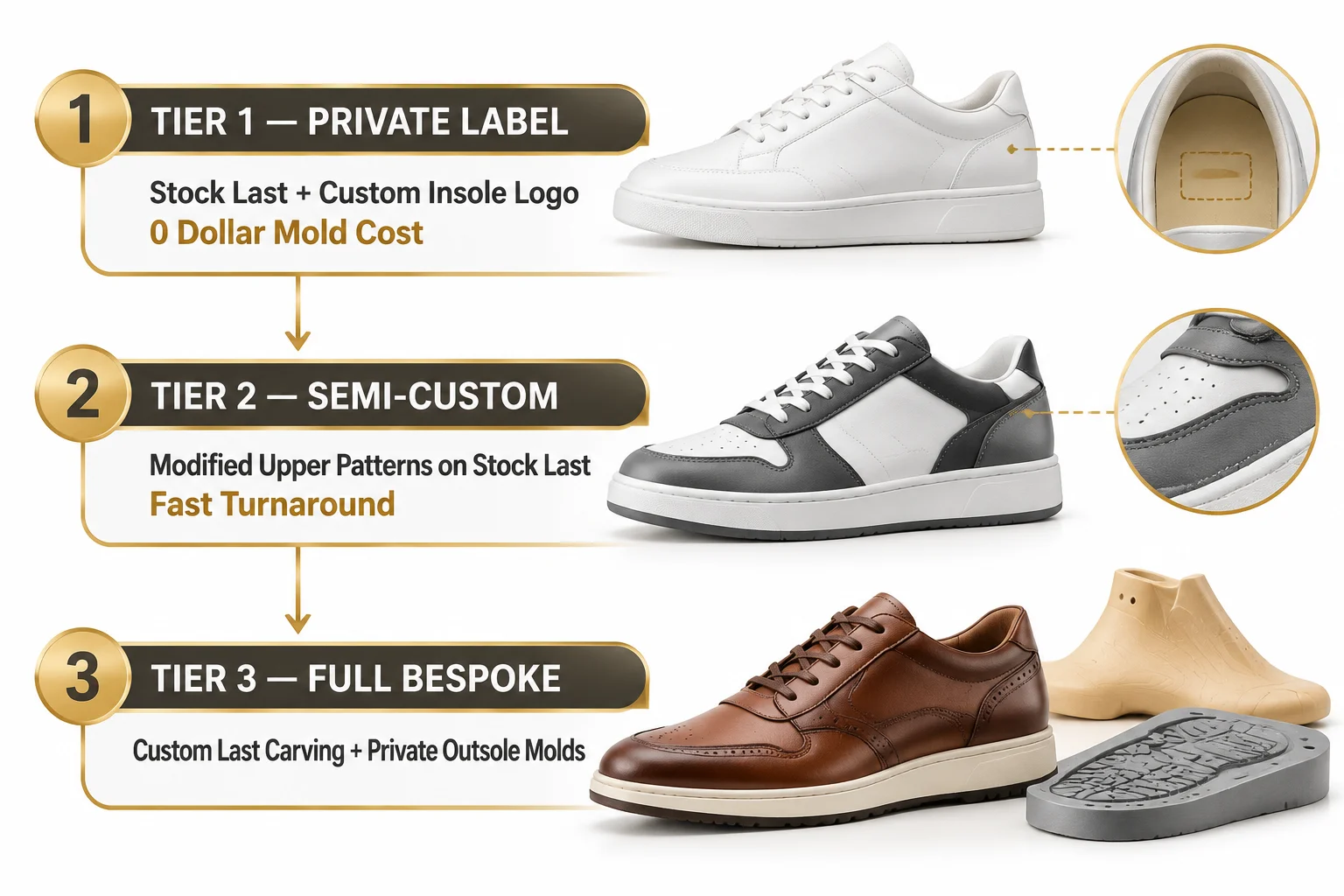
Figure 3: Essential 5-point data package required by factory pattern makers to evaluate custom feasibility.
3. The 5-Point Minimum Spec Sheet for Beginners
If you do not have a full CAD technical package, providing these five data points is sufficient for our sample room to evaluate physical feasibility and calculate initial FOB pricing:
- Target Foot Length in Millimeters: Have a fitting model stand barefoot under full body weight on paper to measure exact heel-to-toe millimeter length.
- Desired Heel Height & Profile: Specify height and structure (e.g., 50 mm kitten heel, 85 mm block heel, or 35 mm platform).
- Material Breakdown per Component: Clearly separate upper (e.g., cow aniline leather), lining (e.g., natural pigskin), insole topcover (e.g., sheepskin), and outsole (e.g., non-slip rubber).
- Pantone TPG/TPX Color Codes: Ensure color expectations align between tannery dye lots and hardware plating.
- Target Retail Price & Initial Batch Volume: Allows our pattern team to suggest smart material substitutions (e.g., microfiber suede lining vs. full-grain lining) to hit your target profit margins.
4. Footwear Buyer's Prototype Intake Checklist
- ✓ Silhouette Clarity: High-resolution side, top, and heel views provided (photo, sketch, or 2D render).
- ✓ Last Matching: Buyer confirmed whether an existing stock last profile is acceptable to eliminate tooling fees.
- ✓ Material Swatch Approval: Physical leather cutting or trial leather pull-over confirmed for pattern line verification.
- ✓ Pantone Codes Identified: Pantone TPG/TPX numbers assigned for each colored panel and upper component.
- ✓ Fit Verification Benchmark: Base sample size confirmed (e.g., EU 37 or US 7) with target millimeter foot length.
Partner With Us for Custom Footwear Sampling & Production
Whether you have a fully drafted Tech Pack, a moodboard reference photo, or an initial design sketch, our technical development team will review its physical feasibility, match suitable stock lasts, and advise on cost-effective material combinations.
Submit Your Shoe Sketch / Photo for Feasibility Review