


Topic: Heel Types, Height Mechanics, Stability Engineering & Sample Evaluation
Focus: Eliminating Heel Wobble, Heel Pitch Alignment & Component Durability
The Mechanics Behind High Heel Comfort
A high heel's upper draws visual attention, but the heel unit dictates whether the wearer can walk comfortably for thirty minutes or five hours.
In footwear manufacturing, two pumps with identical 85 mm elevations can deliver entirely different wearing experiences. One holds the ankle securely on natural city pavements; the other wobbles and causes immediate ball-of-foot strain. The difference comes down to three measurable factors: heel pitch alignment, structural shank support, and base contact geometry.
Here is a practical breakdown of how different heel types, heights, and internal components function together.
1. Women's Heel Types: Anatomy & Structural Differences
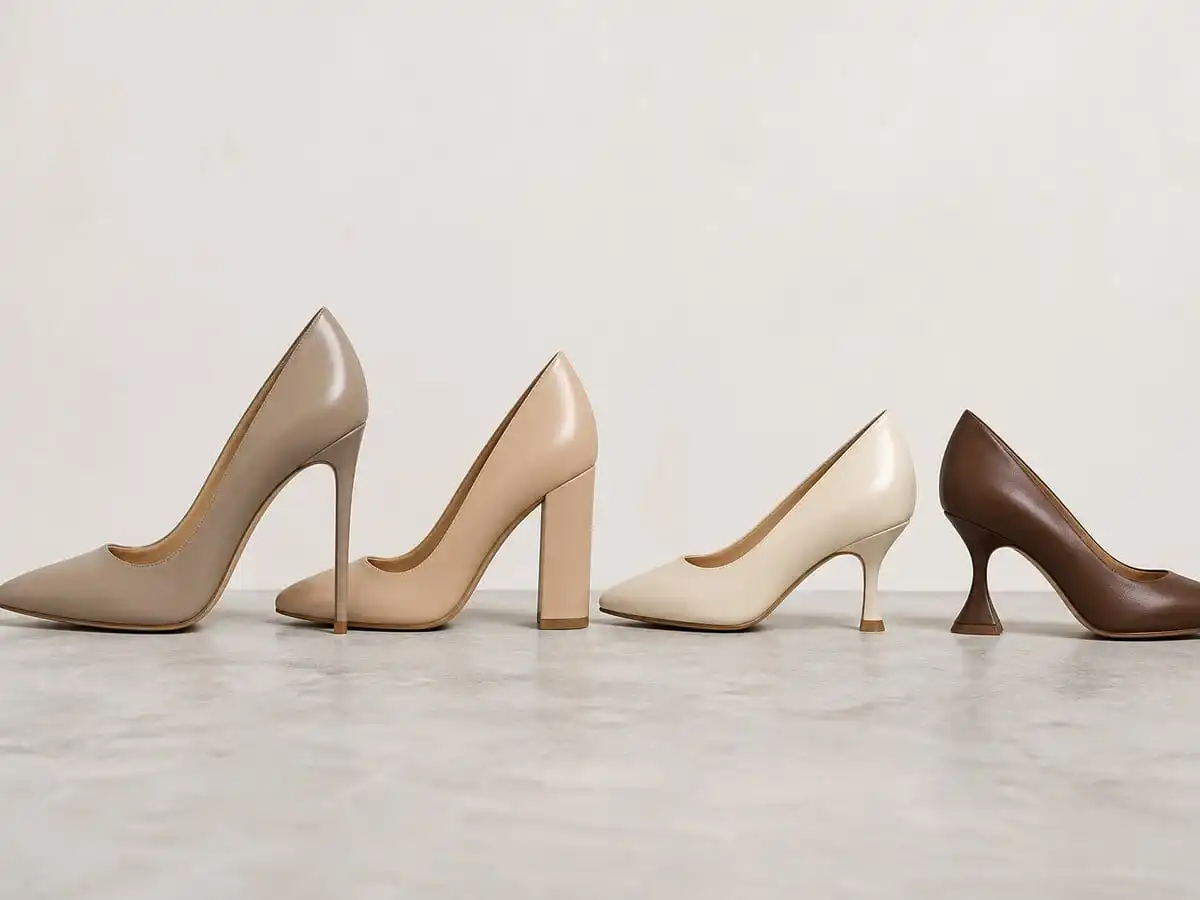
Figure 1: Side profile comparison of stiletto, modern block, retro kitten, and flared architectural heel silhouettes.
Different heel profiles serve specific styling purposes and redistribute body weight across distinct ground contact points:
- Stiletto Heel (70–105 mm): Features an ultra-slim tapered profile that maximizes leg elongation. Because the contact tip is minimal (often under 10 mm diameter), genuine stilettos require an internal hardened alloy steel pin to withstand vertical and lateral shear force without snapping.
- Block / Chunky Heel (35–85 mm): Offers a broad rectangular or cylindrical base that spreads rearfoot strike force evenly. To prevent the shoe from feeling heavy, quality block heels use hollow-moulded ABS injection rather than solid acrylic cores, cutting component weight by 35–45%.
- Kitten Heel (30–50 mm): A low, curved vintage profile with a gentle curve at the heel breast. The base must align precisely below the calcaneus (heel bone) center; if offset forward, the toe spring lifts unnaturally.
- Flared & Architectural Heel (50–90 mm): Narrow at the waist and wider at the base, creating a tripod-like stability zone that combines avant-garde aesthetics with practical balance.
- Wedge & Platform: Bridges the arch gap with continuous ground contact or offsets steep inclines through forefoot elevation, lowering the effective incline angle.
2. Heel Height Spectrum and Pressure Distribution
As heel elevation increases, body weight shifts progressively from the heel seat toward the metatarsal heads (ball of the foot):
| Heel Category | Metric Height | Imperial Height | Forefoot Load Share | Recommended Daily Usage |
|---|---|---|---|---|
| Low Heel | 30–50 mm | 1.2–2.0 in | ~22% increase | Daily commuting, retail work, travel |
| Mid Heel | 55–80 mm | 2.2–3.1 in | ~57% increase | Corporate formal, day-to-night wear |
| High Heel | 85–110 mm | 3.3–4.3 in | ~76% increase | Evening events, runway, statement wear |
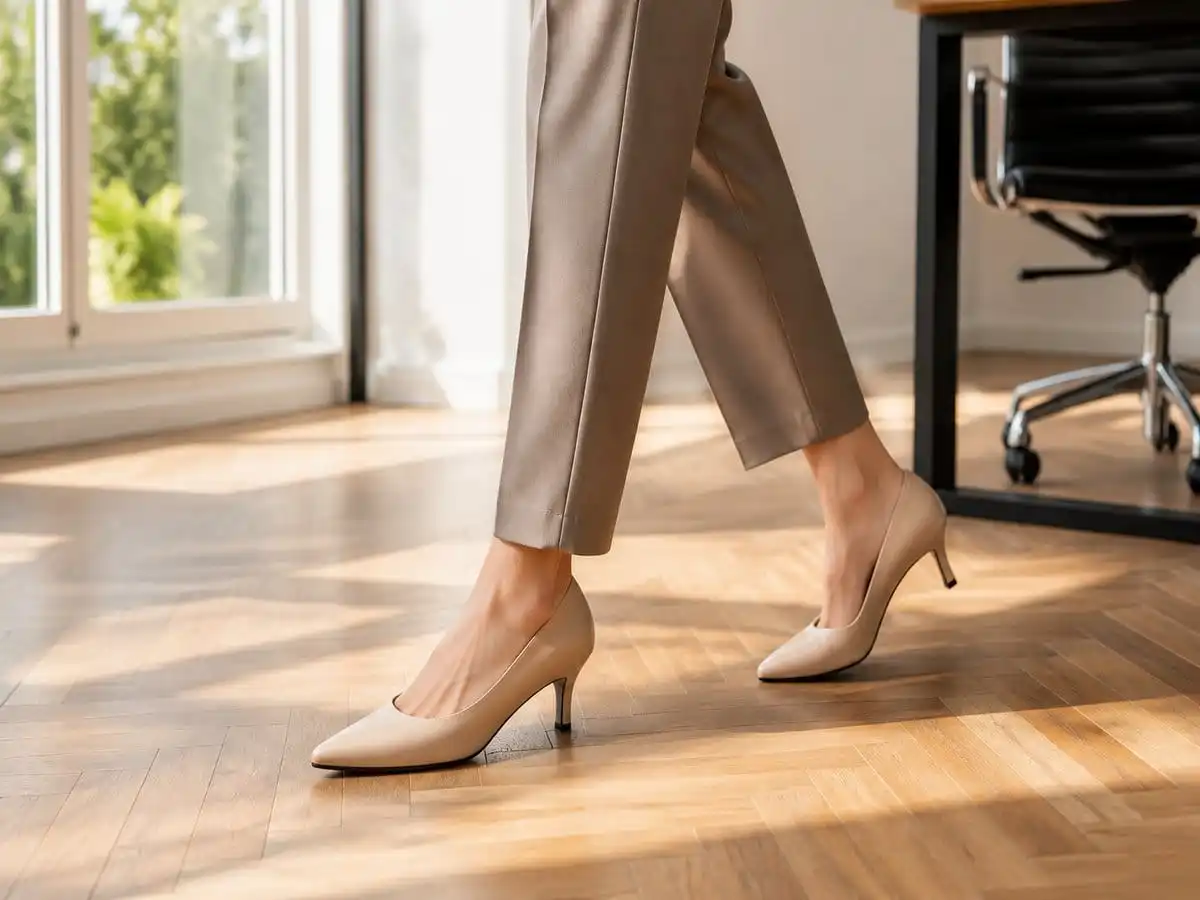
Figure 2: Ergonomic mid-heel placement ensuring balanced weight distribution and natural gait stability.
The Critical Role of "Heel Pitch"
Heel pitch is the designed angle formed between the ball flex point and the heel seat resting on the floor.
Factory Quality Check: When testing a prototype on a flat surface, the plumb line from the heel cup center must drop straight through the top lift. If the pitch angle is off by just 2–3 mm, the wearer's knees overcompensate, causing calf tightness and arch fatigue.
3. Hidden Components That Prevent Heel Wobble
Quality heel stability is engineered inside the shoe construction:
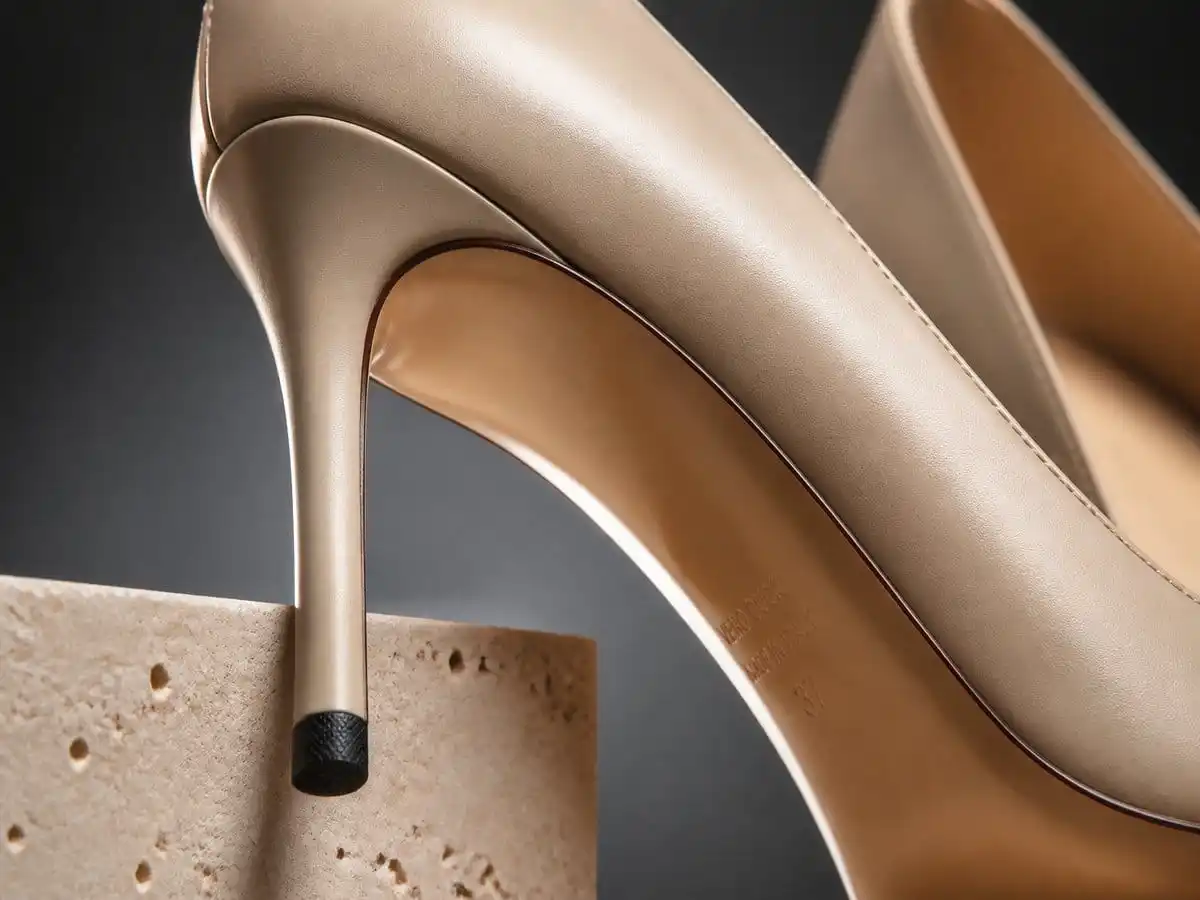
Figure 3: Precision heel cup joint engineering, smooth arch waistline, and abrasion-resistant TPU top lift.
- Tempered Steel Shank (1.2–1.6 mm): Anchored between the insole board and outsole, this hardened steel rib prevents the arch waist from bowing under step impact.
- Three-Point Mechanical Attachment: High-grade heels are fastened through the insole board with a central heavy-gauge machine screw plus 4–5 serrated steel clinch nails, tested to withstand 150+ kg pull force.
- High-Density TPU Top Lift: A dual-density thermoplastic polyurethane cap fitted with a grooved steel dowel pin. Quality TPU resists abrasion, dampens impact shock, and eliminates harsh clicking sounds on tile floors.
4. Footwear Sample Evaluation Checklist
- ☑ Free-Standing Balance: Does the sample pump rest flush on a flat table without tipping or rocking when tapped lightly?
- ☑ Heel-to-Upper Seam: Is the margin between the heel cup and the upper leather completely flush with no visible glue overflow?
- ☑ Weight Balance: Does the block heel unit feel light in hand, or does it pull the rear of the shoe downward?
- ☑ Forefoot Buffer: Is there 3 mm high-rebound latex or PORON® foam embedded above the ball area to buffer high-angle pressure?
- ☑ Impact Testing: Has the heel component passed standard SATRA fatigue and torque load standards?
Partner With Us for Custom Footwear Development
Engineering high heels that balance sleek design with structural stability requires experienced last masters and precise tooling. Share your reference designs with our technical team.


