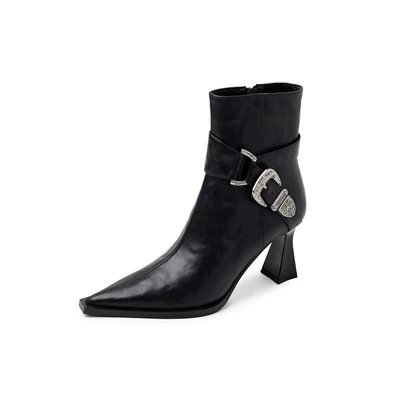
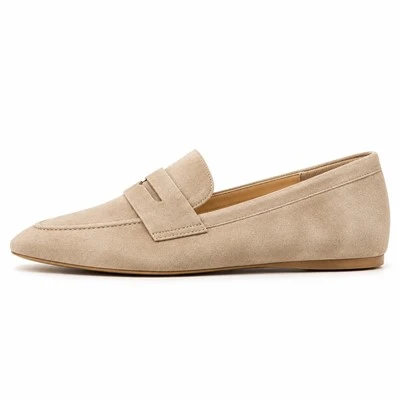
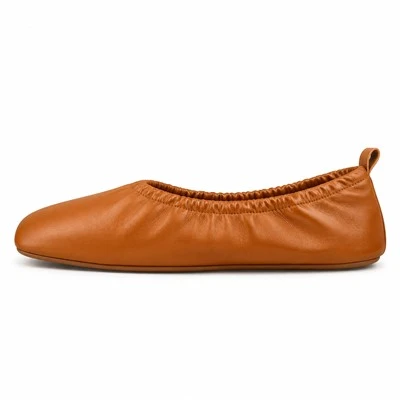
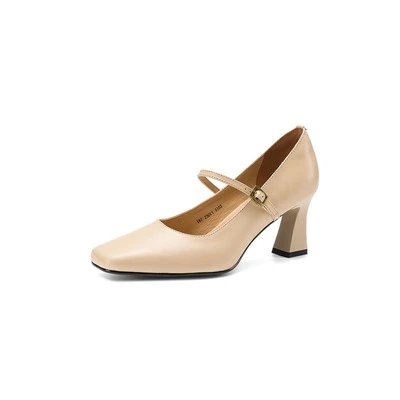
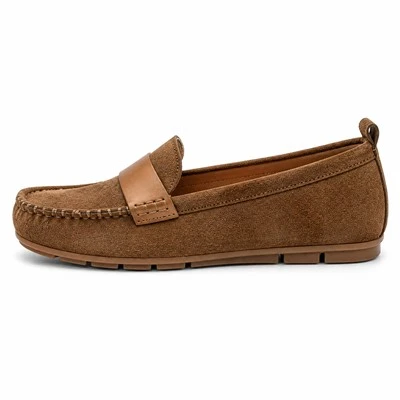
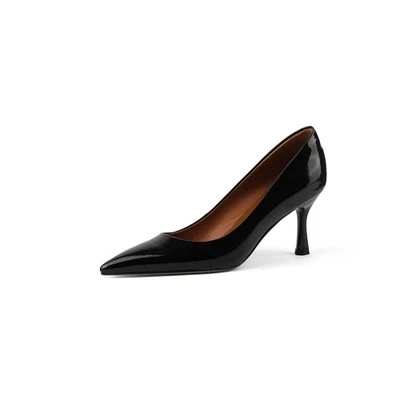
1. Why Packaging Matters for Private Label Footwear Brands
For private label footwear businesses, packaging is an important part of product presentation and brand positioning.
Build brand recognition. Consistent logo placement, brand colors, and packaging design help customers recognize your products across different collections and retail channels. Custom shoe packaging also creates a unified appearance when customers purchase multiple styles from your brand.
Improve product protection. Shoe boxes help maintain footwear shape and protect uppers, outsoles, and decorative details during storage, transportation, and retail handling. The right box structure and material are particularly important for long-distance international shipments.
Increase perceived product value. A pair of women's leather heels presented in a premium box creates a different impression from the same shoes packed in a basic carton. For mid-range and premium brands, thoughtful packaging can reinforce product quality and justify a higher retail price.
Support logistics and retail operations. Box dimensions, material strength, and total packaging weight affect carton packing efficiency, container utilization, and freight costs. Buyers should consider these factors when planning sea freight or other international shipping arrangements.
For growing footwear brands, private label shoe branding should therefore cover both the shoes themselves and their packaging.
2. Popular Logo Printing Methods for Custom Footwear Packaging
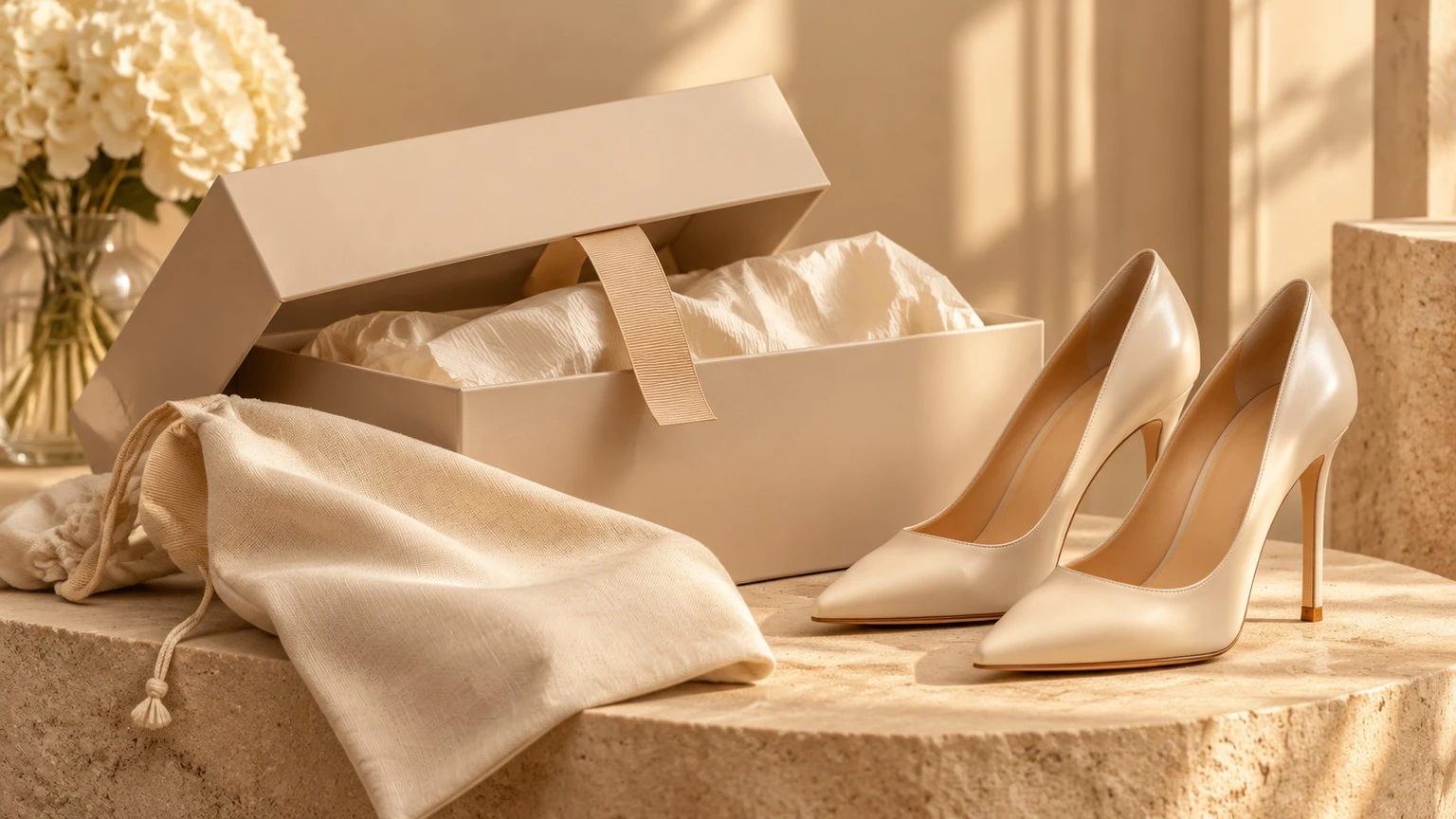
Selecting the right footwear logo printing method depends on your artwork, order quantity, packaging material, and brand positioning.
2.1 Offset Printing (CMYK)
Offset printing is widely used for custom printed shoe boxes requiring detailed graphics, multiple colors, or full-color patterns.
Best for: Large production quantities, colorful brand designs, and printed box surfaces.
Advantages:
- Excellent color consistency for larger production runs.
- Suitable for detailed graphics, photographs, and complex artwork.
- Cost-effective when production quantities increase.
Limitations:
- Usually requires printing plate preparation.
- Initial setup costs make it less economical for very small orders.
- Color matching requires proper artwork preparation and proofing.
Offset printing is a practical choice for established footwear brands producing multiple collections or large quantities of retail packaging.
2.2 Silk Screen Printing
Silk screen printing transfers ink through a mesh screen onto the packaging surface. It is commonly used for simple logos and solid-color brand marks.
Best for: Minimalist logos, single-color printing, and kraft shoe boxes.
Advantages:
- Produces strong, noticeable logo colors.
- Works well with relatively simple artwork.
- Suitable for selected paper and packaging surfaces.
Limitations:
- Less suitable for complex, multicolor graphics.
- Each additional color may require another printing setup.
- Printing efficiency depends on the box structure and production quantity.
For casual footwear, canvas sneakers, or eco-inspired collections, a kraft box with a simple screen-printed logo can create a clean and understated appearance.
2.3 Hot Stamping / Foil Stamping
Hot stamping uses heat and pressure to transfer metallic or specialty foil onto the packaging surface. Gold and silver are popular choices, while holographic and other specialty foils offer additional visual effects.
Best for: Premium women's footwear, leather shoes, and luxury private label collections.
Advantages:
- Creates an elegant metallic logo effect.
- Helps brand names stand out against matte or dark backgrounds.
- Offers a premium appearance without requiring full-color printing.
Limitations:
- Requires suitable logo artwork and stamping dies.
- Very small text and intricate details may not transfer cleanly.
- Additional setup costs should be considered for smaller orders.
Gold foil on a black or cream shoe box is a popular combination for brands looking to achieve a sophisticated presentation.
2.4 Digital Printing
Digital printing transfers artwork directly onto the printing surface without traditional printing plates.
Best for: Short production runs, packaging samples, and designs requiring frequent changes.
Advantages:
- Lower initial setup requirements.
- Convenient for testing different artwork versions.
- Suitable for detailed, multicolor designs.
Limitations:
- Unit costs may be higher for large production quantities.
- Color and surface consistency depend on the equipment and material.
- Not every digital printing process is suitable for every box material.
For emerging footwear brands, digital printing can be useful during the early stages of packaging development before committing to larger production quantities.
2.5 Embossing and Debossing
Embossing raises a logo above the paper surface, while debossing presses it into the material to create a recessed impression. Both methods produce a tactile logo effect without relying on printed ink.
Best for: Minimalist, premium, and luxury footwear packaging.
Advantages:
- Creates a refined three-dimensional appearance.
- Works well with understated brand identities.
- Can be combined with foil stamping for additional visual impact.
Limitations:
- Requires suitable paper thickness and surface characteristics.
- Fine details may not reproduce clearly.
- Tooling and setup costs should be included in the packaging budget.
Logo Printing Methods Compared
| Printing Method | Typical Application | Color Options | Cost Consideration | Brand Positioning |
|---|---|---|---|---|
| Offset printing | Large-volume printed boxes | Full color | Economical at scale | Budget to premium |
| Silk screen | Simple logo printing | Solid colors | Depends on colors and quantity | Casual to mid-range |
| Hot stamping | Metallic logos | Gold, silver, specialty foil | Additional tooling | Premium |
| Digital printing | Small runs and samples | Full color | Higher unit cost at scale | Flexible |
| Embossing / Debossing | Textured logos | No ink required | Tooling required | Premium to luxury |
Note: Actual MOQ, setup fees, and unit costs depend on the packaging supplier, box construction, material, dimensions, and order quantity.
3. Finishing Choices for Private Label Shoe Boxes
Printing determines how your logo and graphics appear, while finishing influences the overall surface texture, durability, and visual impression.
3.1 Gloss and Matte Lamination
Lamination applies a thin protective film to the printed surface.
- Gloss lamination: Creates a shiny appearance and makes colors look more vibrant.
- Matte lamination: Produces a smooth, understated finish with reduced surface reflection.
Both options can help protect printed surfaces against everyday handling and minor moisture exposure. However, neither should be treated as completely waterproof or scratch-proof.
3.2 Soft-Touch Lamination
Soft-touch lamination creates a smooth, velvety surface that feels different from conventional matte packaging.
It is often selected for premium women's footwear, fashion collections, and gift-oriented packaging. Although visually attractive, it generally adds cost and may require additional care during handling to avoid surface marks.
3.3 UV Coating and Spot UV
UV coating uses ultraviolet light to cure a protective coating on the packaging surface.
Spot UV applies this coating selectively to specific areas, such as a brand logo, graphic, or product name. For example, a matte black box with a glossy UV logo creates a noticeable contrast without requiring additional colors or metallic foil.
3.4 Water-Based Varnish
Water-based varnish provides a relatively economical surface coating that can improve the appearance of printed packaging.
It is available in different visual effects, including matte and gloss. Compared with some plastic-film lamination options, it may also be easier to integrate into certain recyclable paper packaging designs. However, buyers should confirm the actual coating formulation and recyclability with their packaging supplier.
3.5 Special Finishes
For brands seeking distinctive packaging, several specialty finishes are available:
- Flocking: Creates a soft, textured surface.
- Texture coating: Adds a distinctive tactile or visual effect.
- Wax coating: Provides a particular surface appearance and feel, depending on the material and application.
These options are more commonly considered for high-end or limited-edition footwear packaging because they can increase production complexity and cost.
Recommended Printing and Finishing Combinations
| Combination | Visual Effect | Suitable Footwear |
|---|---|---|
| Matte lamination + silver foil | Modern and sophisticated | Women's fashion sneakers |
| Kraft box + screen printing | Natural and minimalist | Casual and eco-inspired footwear |
| Offset printing + Spot UV | Colorful with highlighted details | Fashion sneakers |
| Soft-touch lamination + gold foil | Elegant and luxurious | Women's heels and leather shoes |
| Embossed logo + matte finish | Subtle and premium | Minimalist footwear collections |
4. How to Pick the Right Printing and Finishing for Your Private Label Footwear
There is no single best packaging solution for every footwear brand. Buyers should evaluate several factors before confirming their packaging specifications.
1. Define your brand positioning.
Budget footwear brands generally benefit from simple printing and practical box materials. Mid-range brands can consider matte lamination or Spot UV, while premium collections may benefit from foil stamping, embossing, or soft-touch finishes.
2. Consider your order quantity and budget.
Different printing processes have different setup requirements. Large-volume orders may benefit from offset printing, while smaller runs may be better suited to digital printing or simpler logo applications. When requesting quotations, specify the box dimensions, material, printing colors, finishing requirements, and estimated quantity. This makes it easier for suppliers to provide accurate comparisons.
3. Understand your target market.
European buyers may prioritize recyclable materials and reduced plastic use, while other markets may place greater emphasis on packaging appearance and cost efficiency. Researching local retail expectations can help determine the appropriate packaging specification.
4. Match packaging to the footwear category.
Different footwear products may require different packaging approaches:
- Sneakers: Durable boxes with practical printed branding.
- Women's heels: Structured boxes with premium finishes.
- Sandals: Lightweight packaging with efficient dimensions.
- Safety footwear: Stronger packaging designed for heavier products.
5. Consider international shipping conditions.
Packaging must withstand storage, handling, and transportation. For long-distance sea freight, buyers should pay attention to carton strength, moisture protection, stacking performance, and surface durability.
6. Request a physical packaging sample.
Before mass production, review an actual packaging sample. Check logo size, color accuracy, finishing quality, box dimensions, and how comfortably the shoes fit inside. A digital mockup is useful for design approval, but a physical sample provides a more reliable reference for final production.
5. Common Mistakes to Avoid on Private Label Footwear Packaging
Even attractive packaging designs can create unnecessary costs or production problems if important details are overlooked:
- Using too many finishing techniques: Combining foil, embossing, lamination, and Spot UV may increase costs without significantly improving the final appearance.
- Choosing unsuitable logo artwork: Extremely thin lines or small text may not reproduce properly through hot stamping or embossing.
- Submitting low-resolution artwork: Blurry images can affect printing quality. Vector formats such as AI, EPS, and editable PDF are generally preferred for logos.
- Ignoring box dimensions: An oversized box increases storage and shipping volume, while an undersized box may damage or deform footwear.
- Forgetting retail information: Depending on the destination market and sales channel, buyers may need to include barcodes, style numbers, size labels, or other required product information.
Confirming these details before production can reduce revisions, delays, and unnecessary packaging expenses.
6. Eco-Friendly Options for Sustainable Private Label Footwear Packaging
Sustainable packaging is becoming an important consideration for footwear brands, particularly those targeting environmentally conscious consumers. Several options are worth exploring:
- Recycled kraft paper: A practical choice for brands seeking a natural packaging appearance.
- Soy-based or other suitable low-impact inks: Can be considered as alternatives to conventional printing inks, subject to formulation and performance requirements.
- Water-based varnish: May help reduce reliance on certain plastic-film finishes.
- Recyclable paperboard boxes: Offer a paper-based packaging solution when designed with compatible materials and coatings.
- Reduced packaging components: Eliminating unnecessary inserts, plastic bags, or excessive decorative elements can reduce material consumption.
For buyers serving the European market, it is important to distinguish between general eco-friendly claims and verified compliance. Ask suppliers for relevant material specifications, certifications, and recyclability information rather than relying solely on terms such as green or sustainable.
7. FAQ
Q1: What is the cheapest logo printing method for private label shoe boxes?
For simple logos, screen printing can be a cost-effective option, while offset printing is often more economical for larger quantities of full-color packaging. The final price depends on artwork, materials, setup costs, and order volume.
Q2: Can I combine multiple printing and finishing techniques on one box?
Yes. For example, you can combine offset printing with Spot UV or matte lamination with gold foil stamping. However, each additional process may increase production costs and complexity.
Q3: How long does custom printed footwear packaging take?
Lead time depends on box structure, material availability, artwork approval, printing processes, and production quantity. Allow additional time for sampling and revisions, especially when developing new packaging specifications.
Q4: Is foil stamping suitable for small MOQ private label orders?
It can be, but tooling and setup costs may make it less economical for small quantities. Discuss the expected order volume and artwork with your packaging supplier before choosing this process.
Q5: Does matte lamination scratch easily during transit?
Matte lamination generally offers a smooth, refined surface, but its resistance to scuffing depends on the film and application. If packaging will undergo extensive handling or long-distance shipping, request a physical sample and evaluate its surface durability.
8. Conclusion
Private label footwear packaging is more than a protective container. It is an extension of your brand identity and an important part of the overall customer experience.
The right logo printing method ensures clear and consistent branding, while suitable finishing options add texture, visual appeal, and perceived value. By balancing brand positioning, production quantity, packaging materials, and international shipping requirements, footwear buyers can create packaging that looks professional without unnecessarily increasing costs.
Before starting bulk production, prepare your logo in a vector format, confirm your packaging specifications, and approve a physical sample.