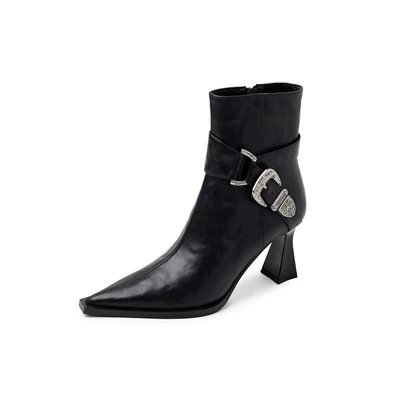
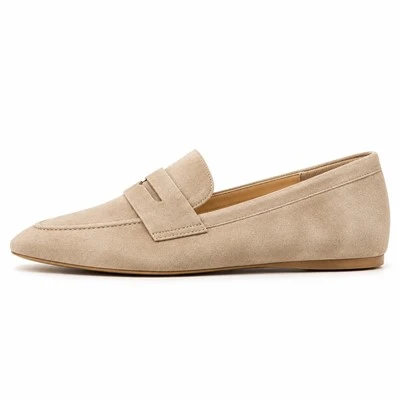
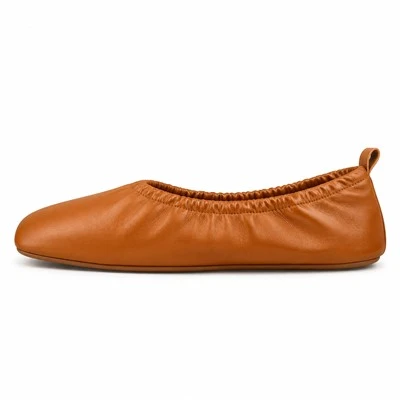
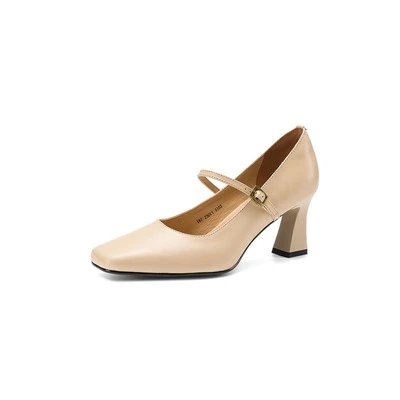
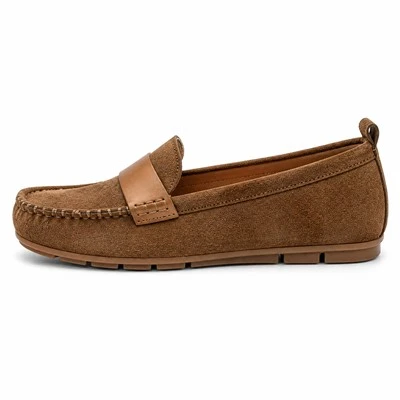
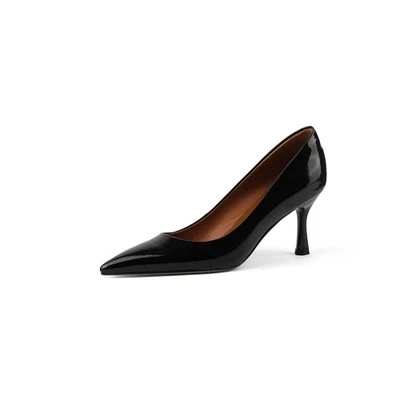
1. Why Viral Shoe Trends Are High-Stakes for Footwear Buyers
A flash trend often rises quickly because of one celebrity appearance, creator video or viral styling challenge. Interest may disappear just as quickly. A sustainable bestseller, by contrast, answers a recurring customer need: it is comfortable, easy to style, suitable for more than one occasion and available at a price buyers accept.
The inventory risk is clear. Buying too deeply into a short-lived trend can leave retailers with markdowns and slow-moving stock. Ignoring a style with genuine momentum can mean losing sales to competitors. Viral products should therefore complement, not replace, evergreen categories such as loafers, Mary Janes and heels. These familiar silhouettes provide a stable foundation, while carefully selected trend-led designs give customers a reason to browse new arrivals.
For retailers and importers, a successful trend can improve assortment appeal, attract new customers and create opportunities for repeat orders. The commercial upside comes from matching the right trend to the right audience-not from chasing every online sensation.
2. Where to Hunt for Emerging Viral Women Shoe Signals
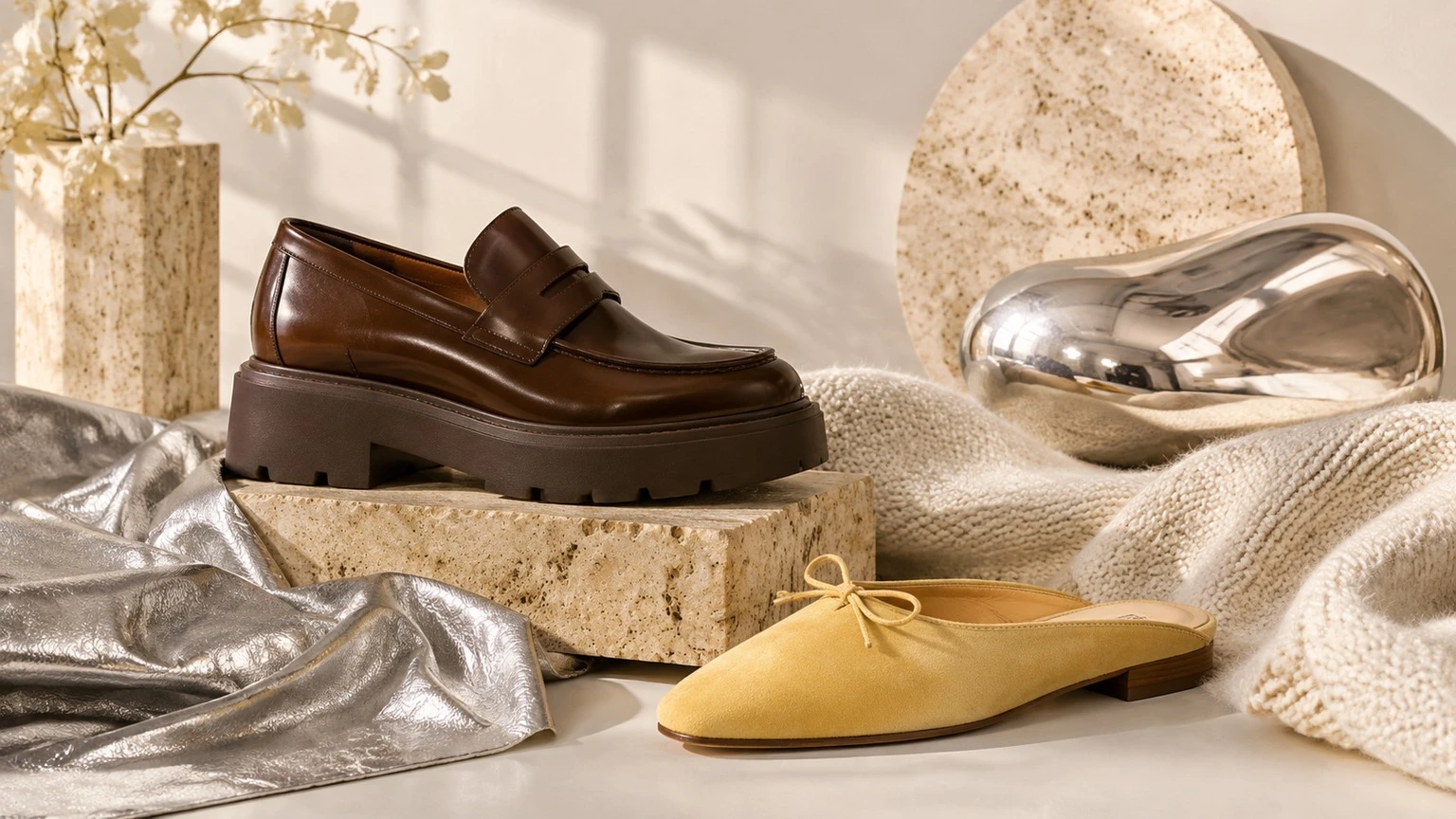
Social media platforms: TikTok, Instagram and Pinterest can reveal emerging styling habits before they appear in traditional buying reports. Look beyond view counts and likes. Saves, shares, repeat styling videos, creator adoption and comments asking where to buy are stronger signs of practical interest. Note which outfits and occasions appear alongside the shoes. A Mary Jane repeatedly styled with office outfits may have a different customer proposition from one shown mainly in festival content.
Regional context matters: European buyers may prioritize understated styling and versatile colors, while other markets may respond more strongly to bold details, comfort features or occasion-specific designs. Treat these as hypotheses to validate with local customers rather than fixed assumptions. Compare engagement by country, creator location and audience profile.
Search and marketplace data: Google Trends and keyword planning tools help show whether interest is rising, stable or fading. Compare related search terms over several months and across target countries. Marketplace bestseller pages can reveal commercial demand, while reviews and Q&A sections expose practical concerns such as narrow fitting, slippery soles, uncomfortable straps or color differences. These pain points can become product-development opportunities.
Runways, trade shows and trend reports: Events such as MICAM and Première Vision, along with research from WGSN and Trendalytics, can help buyers understand broader directions in silhouettes, materials and colors. Use them to identify themes, not to copy runway products literally. Designer ideas often move into more accessible commercial footwear through simplified shapes, adjusted materials and more wearable proportions.
Supplier and factory feedback: Ask development and sales teams which silhouettes, details or materials buyers have been requesting repeatedly. Repeated sample inquiries from different customers can be a useful early signal. However, supplier feedback should support-not replace-market research. A style may be popular among buyers but unsuitable for your own customer base or price position.
3. Five Criteria to Validate Whether a Trend Is Worth Stocking
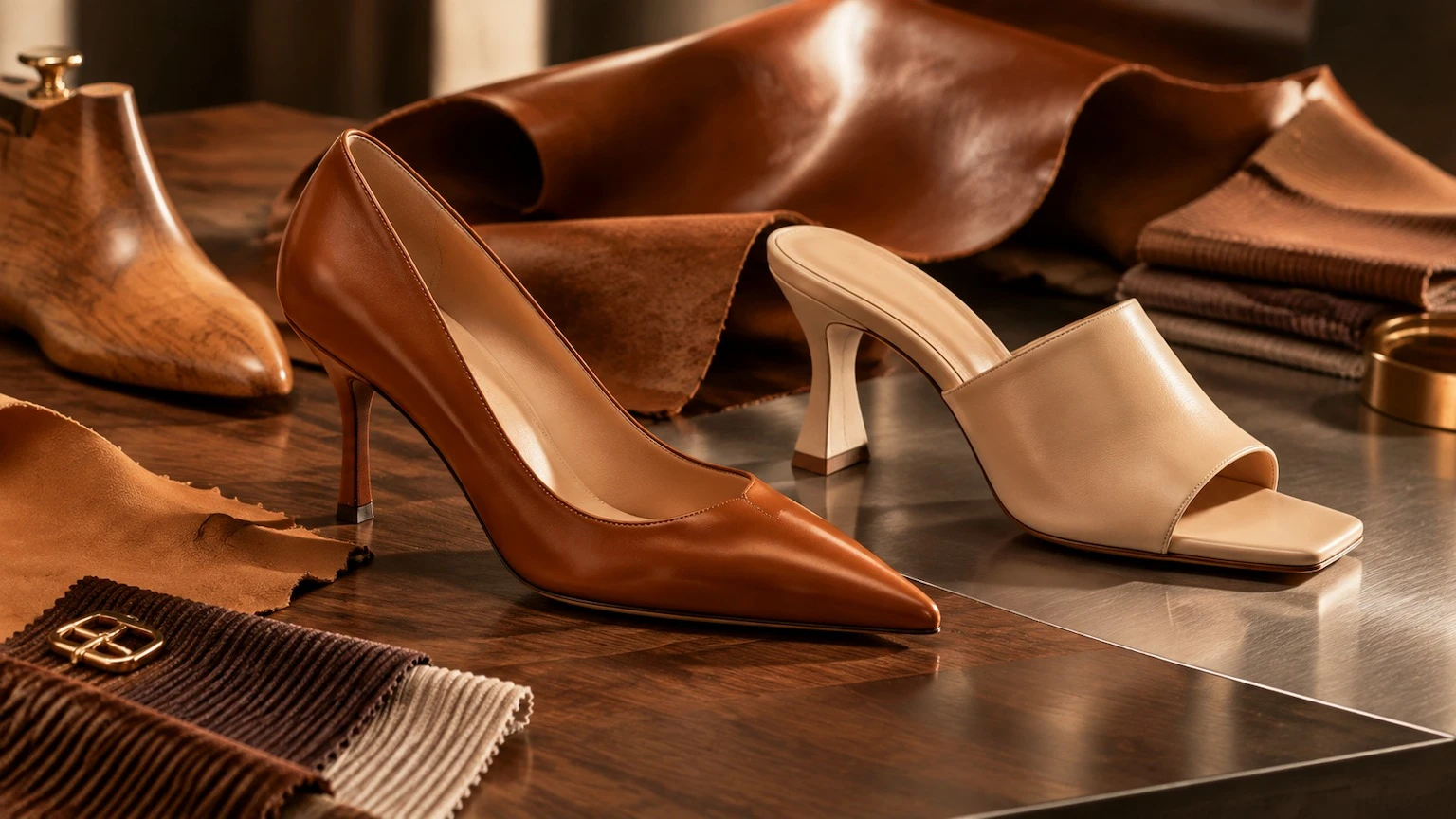
1. Growth trajectory: Check whether interest is building across multiple weeks or months and whether it appears on more than one platform. A single viral clip is weak evidence. A gradual rise in searches, creator adoption and marketplace activity is more convincing.
2. Wear versatility and use cases: Ask whether customers can wear the style to work, for daily activities or for social occasions. Consider comfort, weight, fastening, heel height and ease of walking. A visually striking shoe may generate clicks, but practical wearability often determines whether customers keep it and recommend it.
3. Sourcing feasibility: Confirm that the look can be produced consistently at the required quality and target cost. Review material availability, construction complexity, minimum order requirements (MOQ), development time and production capacity. A trend with a narrow selling window may not be suitable if tooling or sample development takes too long.
4. Market fit: Match the style to your customers' age range, price tier, sizing system and climate. Check whether the toe shape, heel height and materials suit local preferences. Review size coverage and labeling requirements for the destination market before confirming an assortment.
5. Margin potential: Estimate the full landed cost, including product cost, packaging, freight, duties and expected selling expenses. Compare it with realistic retail prices. Also account for quality defects, returns and markdown risk. Strong online engagement does not guarantee a healthy margin.
4. Trend Categories: Women's Shoe Styles to Watch
Updated classics are often a sensible starting point for buyers. Platform Mary Janes, chunky loafers and block-heel hybrids refresh familiar silhouettes while retaining recognizable styling cues. Their familiarity can make them easier to introduce to customers who are curious about trends but cautious about unfamiliar designs.
Statement silhouettes create visual impact. Kitten heels, sculptural soles, rounded vintage-inspired toes and T-strap details can help a catalog stand out. Evaluate whether the statement feature affects comfort, stability or production consistency. A distinctive detail should strengthen the product proposition rather than make the shoe difficult to wear.
Materials and finishes can update an existing shape without changing its entire construction. Matte PU, metallic finishes, satin, textured woven materials and transparent accents may give buyers seasonal options. Check abrasion resistance, color consistency, flexibility and how the material looks under different lighting.
Color trends should be planned alongside core colors. Black, brown, beige and other neutrals are useful year-round anchors, while seasonal accent colors can create freshness. Animal prints and floral patterns may work as selective options, but buyers should test the scale and color balance with their own audience before committing broadly.
5. Build a Smart Catalog Mix: Balance Trends and Evergreens
A balanced assortment reduces dependence on any single fashion cycle. One practical planning model is to keep around 60–70% of the range in proven evergreen styles, 20–30% in trends with clear validation, and 5–10% in experimental designs. These figures are a starting point, not a universal rule; adjust them to your sales history, customer profile and buying calendar.
For example, loafers, Mary Janes and versatile heels can form the core range. A new platform detail, updated toe shape or seasonal finish can refresh those categories. A small number of more experimental styles can be introduced as limited new arrivals to measure response.
Where supplier terms and production planning allow, begin with samples or a controlled trial rather than making a large commitment based only on social engagement. Discuss order quantities, color options, size runs and production lead times early. Once sales velocity, customer feedback and return rates show that a style is working, plan a reorder while the trend still has commercial momentum.
6. Sourcing and Quality Checks Before Adding Viral Styles
A trend-led shoe still needs to meet normal product standards. Test samples for fit, comfort, walking stability, sole grip, bonding, stitching and material durability. Check that the shoe performs in realistic use, not just in product photography. For heels, pay particular attention to balance and heel attachment; for flats and loafers, assess flexibility, heel slip and pressure points.
Review size consistency across the size run and confirm the correct EU, US or UK size information for the target market. Check applicable labeling and product requirements before production. For private-label projects, confirm logo placement, packaging specifications and artwork approval before bulk manufacturing.
Plan the calendar carefully. Viral trends can have a short commercial window, but rushed development can create quality problems. Confirm sample approval, material readiness, production capacity and shipping schedules before promising a delivery date. Avoid low-quality copies that reproduce only the appearance of a popular shoe while compromising comfort or durability. A trend should strengthen customer trust, not damage it.
7. Track Performance After Launch
After a style enters your catalog, monitor sales velocity and sell-through rather than relying on total sales alone. Compare performance with similar products and consider how long each style has been available. Track repeat orders, stock availability and the performance of individual colors and sizes.
Collect customer feedback and categorize return reasons. Comments about fit, comfort, color or material can guide the next order or a revised version. Where appropriate, encourage retail partners to share user-generated content and styling photos. Real customer use can show whether a style has moved beyond online curiosity into everyday demand.
Set a review point for every trend-led SKU. If engagement and sales slow, reduce replenishment and use remaining stock strategically. If demand remains healthy and returns are acceptable, consider expanding colors or developing related variations. The decision to phase out a trend should be based on performance data, not simply on whether social media has moved on.
8. Frequently Asked Questions
How can I tell a flash-in-the-pan trend from a long-lasting style?
Look for sustained interest across several weeks or months, adoption by different creators and evidence of search or marketplace demand. Versatility and repeat customer interest are additional positive signals.
What is the best way to test viral shoe styles without heavy inventory?
Start with market research, sample evaluation and a controlled trial that fits your supplier's production terms. Track sell-through, feedback and returns before increasing the order.
Which markets react fastest to women's shoe trends?
There is no single market that always moves first. Adoption varies by category, platform, season and customer segment. Compare country-level search interest and local retailer activity before choosing a target market.
How do I negotiate lower MOQs for new trending footwear?
Explain that the style is being tested and discuss practical options such as limiting the number of colors, choosing a focused size run or selecting a construction that is easier to produce. Any adjustment depends on materials, components and factory capacity.
Can I add viral details to existing loafers, Mary Janes and heels?
Often, yes. Details such as updated hardware, straps, trims, colors or finishes may refresh an established silhouette. Confirm that the change is technically feasible and does not compromise fit, durability or the target cost.
9. Conclusion: Turn Trend Signals into Commercial Decisions
Spotting viral women shoe trends is a process of combining data with product judgment. Monitor social platforms, search behavior, marketplaces, industry direction and supplier feedback. Then validate each opportunity against wearability, sourcing feasibility, market fit and margin potential.
The strongest catalog is rarely the one that follows every viral moment. It is the one that protects its evergreen foundation while introducing a measured selection of relevant new styles. By testing carefully, reviewing real sales performance and working closely with an experienced footwear development partner, buyers can build a flexible range of trending ladies footwear with better control over inventory risk and long-term value.